

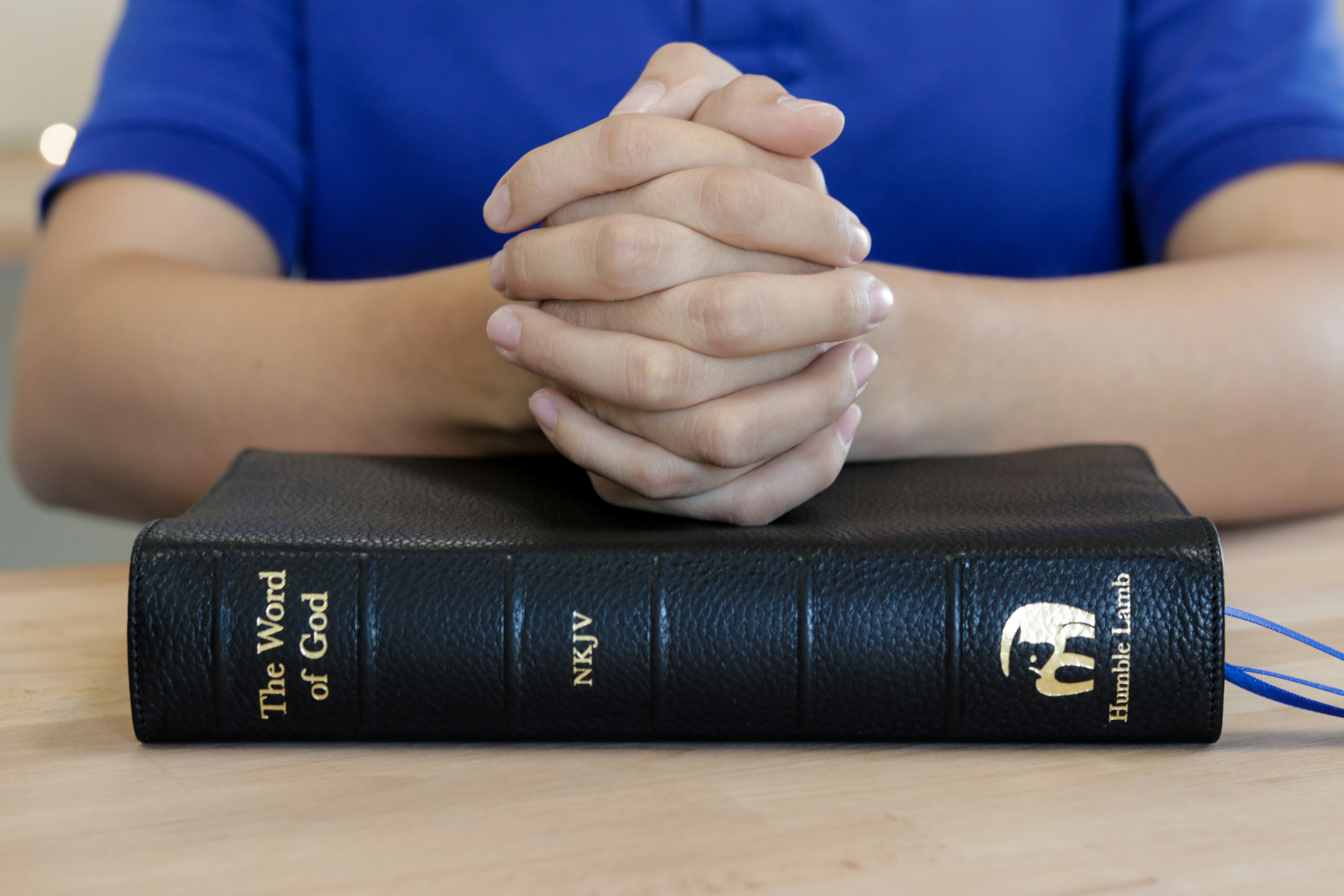
Faith and prayer are two of the most important foundations of the Christian life. The Bible teaches believers to trust God completely and to communicate with Him through prayer. Faith helps believers rely on God’s promises, while prayer connects them personally with the Lord.
Throughout Scripture, many examples show how powerful faith and prayer can be. From Abraham trusting God’s promises to Jesus teaching His disciples how to pray, the Bible repeatedly reminds us that faith and prayer are essential for spiritual growth.
Below are 100 Bible questions on faith and prayer with answers that can be used for Bible study, church quizzes, Sunday school lessons, or personal learning.
Basic Questions About Faith
1. What is faith according to the Bible?
Faith is confidence in what we hope for and assurance about what we do not see.
2. In which book of the Bible is the famous definition of faith found?
Hebrews.
3. Who is called the father of faith?
Abraham.
4. What did Abraham trust God for?
God’s promise of a son and many descendants.
5. What size of faith did Jesus say could move mountains?
Faith as small as a mustard seed.
6. What does the Bible say we must have to please God?
Faith.
7. According to the Bible, how do believers walk?
By faith, not by sight.
8. What does faith come from according to Romans 10:17?
Hearing the Word of God.
9. What must people believe about God in order to have faith?
That He exists and rewards those who seek Him.
10. What does faith help believers overcome?
The world.
Examples of Faith in the Bible
11. Who built an ark because of his faith in God’s warning?
Noah.
12. Who left his homeland because God called him?
Abraham.
13. Who believed she would have a child in old age?
Sarah.
14. Who trusted God while facing the giant Goliath?
David.
15. Who trusted God while in the lions’ den?
Daniel.
16. Which three men trusted God in the fiery furnace?
Shadrach, Meshach, and Abednego.
17. Who stepped out of the boat to walk on water toward Jesus?
Peter.
18. Who showed great faith when asking Jesus to heal his servant?
The Roman centurion.
19. Who believed Jesus could heal her by touching His garment?
The woman with the issue of blood.
20. Who showed faith by lowering a paralyzed man through a roof to reach Jesus?
His friends.
Teachings About Faith
21. What did Jesus say faith can do?
Move mountains.
22. What happens when someone doubts?
They become unstable.
23. What must believers do when praying?
Believe.
24. What kind of faith pleases God?
True and trusting faith.
25. What does faith produce during trials?
Perseverance.
26. What should believers put their faith in?
God.
27. What does faith protect believers from according to Ephesians?
The fiery arrows of the enemy.
28. What part of spiritual armor represents faith?
The shield of faith.
29. What grows when faith is tested?
Spiritual strength.
30. What must accompany faith according to James?
Actions.
Basic Questions About Prayer
31. What is prayer?
Talking with God.
32. Who taught the disciples how to pray?
Jesus.
33. What prayer did Jesus teach His followers?
The Lord’s Prayer.
34. How should believers pray according to the Bible?
With faith.
35. When should believers pray according to Scripture?
At all times.
36. What should believers do instead of worrying?
Pray.
37. What should accompany prayers according to Philippians?
Thanksgiving.
38. Who hears the prayers of the righteous?
God.
39. What kind of prayer is powerful and effective?
The prayer of a righteous person.
40. What attitude should people have when praying?
Humility.
People in the Bible Known for Prayer
41. Who prayed for wisdom and received it?
Solomon.
42. Who prayed while in the belly of a fish?
Jonah.
43. Who prayed and fire came down from heaven?
Elijah.
44. Who prayed three times a day despite a royal decree?
Daniel.
45. Who prayed for rain after a long drought?
Elijah.
46. Who prayed for the forgiveness of Israel after their sin?
Moses.
47. Who prayed silently in the temple for a child?
Hannah.
48. Whose prayer led to the birth of Samuel?
Hannah.
49. Who prayed while being stoned?
Stephen.
50. Who prayed constantly for the churches in his letters?
Paul.
Teachings of Jesus About Prayer
51. What did Jesus say about praying in secret?
God rewards it.
52. What should believers not do when praying?
Show off like hypocrites.
53. What did Jesus say about persistence in prayer?
Keep asking.
54. What happens when believers seek God in prayer?
They find Him.
55. What does Jesus promise to those who knock?
The door will be opened.
56. What should believers pray for in the Lord’s Prayer?
God’s will to be done.
57. What daily need does the Lord’s Prayer mention?
Daily bread.
58. What should believers ask forgiveness for in prayer?
Their sins.
59. What should believers do toward others while praying?
Forgive them.
60. What does Jesus say about faith in prayer?
Believe that you have received it.
Faith and Prayer Working Together
61. What should believers have when they pray?
Faith.
62. What happens when believers pray in faith?
God answers.
63. What does prayer strengthen in believers?
Faith.
64. What does faith help believers believe about prayer?
That God hears them.
65. What happens when people pray without faith?
They doubt.
66. What does prayer show about a believer’s trust in God?
Dependence.
67. What kind of prayer brings peace?
Faith-filled prayer.
68. What should believers do when facing difficulties?
Pray.
69. What should believers do when they are thankful?
Pray with gratitude.
70. What does prayer build in the believer’s life?
A relationship with God.
Encouraging Bible Truths About Faith and Prayer
71. What does God promise to those who seek Him?
They will find Him.
72. What does faith give believers during hard times?
Hope.
73. What does prayer bring to troubled hearts?
Peace.
74. What does faith help believers trust?
God’s promises.
75. What happens when believers trust God fully?
He guides them.
76. What kind of prayer should believers offer constantly?
Faithful prayer.
77. What does God promise to those who ask according to His will?
He hears them.
78. What does faith remind believers about God?
He is faithful.
79. What strengthens both faith and prayer?
God’s Word.
80. What should believers do when their faith feels weak?
Pray for strength.
Final Bible Questions on Faith and Prayer
81. Who prayed before choosing the disciples?
Jesus.
82. Who prayed for Peter’s faith not to fail?
Jesus.
83. Who prayed for believers in John 17?
Jesus.
84. What does faith help believers receive?
God’s promises.
85. What should believers do when they lack wisdom?
Ask God in faith.
86. What must believers avoid when praying?
Doubt.
87. What does faith help believers overcome?
Fear.
88. What does prayer show about a believer’s heart?
Trust in God.
89. What should believers do without ceasing according to the Bible?
Pray.
90. What should believers always keep strong?
Their faith.
Final Set
91. What does faith anchor in the believer’s life?
Hope.
92. What connects believers directly with God?
Prayer.
93. What grows when believers trust God daily?
Faith.
94. What strengthens faith the most?
God’s Word.
95. What invites God’s help into our lives?
Prayer.
96. What helps believers remain hopeful?
Faith.
97. What should believers do first when facing trouble?
Pray.
98. What does strong faith lead to?
Trust in God.
99. What reminds believers that God listens?
Prayer.
100. What two things keep believers spiritually strong?
Faith and prayer.
Conclusion
Faith and prayer are essential parts of the Christian journey. Faith helps believers trust God even when they cannot see the outcome, while prayer allows them to communicate directly with Him.
These 100 Bible questions on faith and prayer are perfect for Bible studies, church quizzes, youth groups, or personal reflection. They remind believers that through faith and prayer, they can grow closer to God and experience His guidance, peace, and strength in their lives.
Faith strengthens the believer’s trust in God, and prayer keeps the connection with Him alive every day.