

The weeks leading up to Christmas can easily become filled with shopping, decorating, school activities, and holiday preparations. But for Christian families, Advent offers something more meaningful: an opportunity to slow down, grow closer to God, and prepare their hearts to celebrate the birth of Jesus Christ.
Starting a few simple Christian Advent traditions can help your family make this season more intentional. From lighting Advent candles and reading the Christmas story to serving others and praying together, these traditions create lasting memories while teaching children the true meaning of Christmas.
You do not need an elaborate plan or expensive decorations to celebrate Advent. Even a few minutes of prayer, Bible reading, or family time each day can make a difference.
Whether you have young children, teenagers, or a household of adults, these 25 Christian Advent traditions for families will help you build meaningful habits of faith and togetherness this year.
25 Christian Advent Traditions for Families to Start This Year
1. Light an Advent Wreath Every Sunday
An Advent wreath is one of the most recognizable Christian Advent traditions. It usually consists of evergreen branches arranged in a circle with four candles. Some families and churches also use a fifth candle, traditionally white, for Christmas.
Gather your family each Sunday to light the appropriate candle, read a Bible passage, and pray together.
The four candles are commonly associated with hope, peace, joy, and love, although the meanings and colors can vary between Christian traditions.
How to start: Place an Advent wreath on your dining table or in your living room. Spend five to ten minutes together each Sunday reflecting on the season.
2. Read the Christmas Story Together
Make reading the biblical account of Jesus’ birth a regular family tradition during Advent.
Begin with Luke 1, which describes the announcement of Jesus’ birth, and continue into Luke 2, which tells the story of His birth in Bethlehem. You can also read Matthew 1–2 to explore Joseph’s dream and the visit of the wise men.
Younger children may enjoy a picture Bible, while older children can take turns reading aloud.
How to start: Read one short passage after dinner or before bedtime. Ask each family member to share one thing they learned.
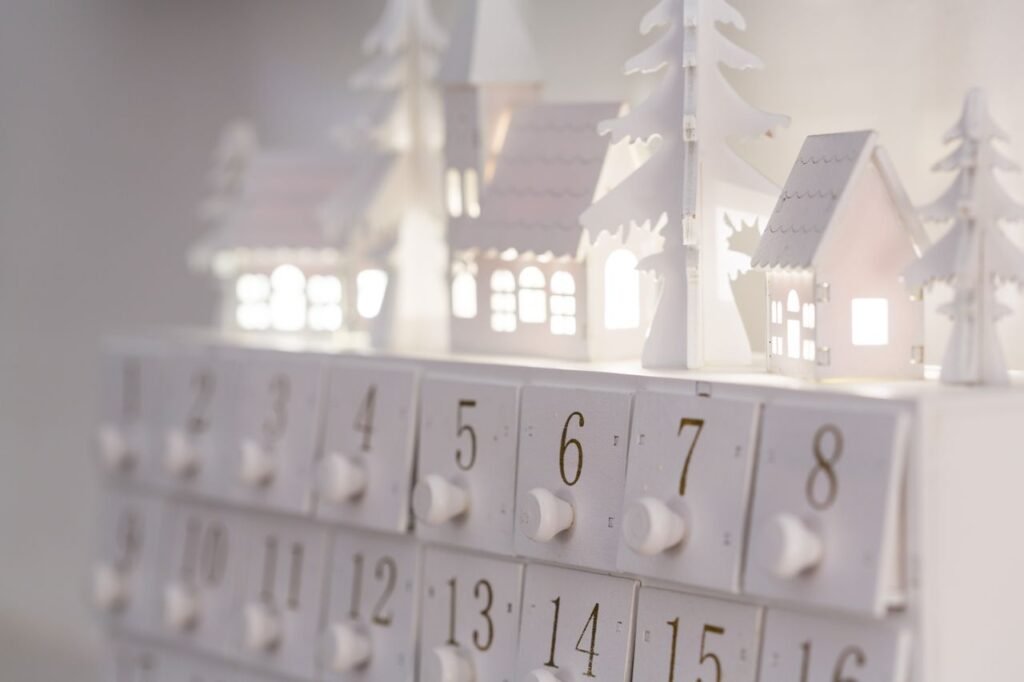
3. Create a Family Advent Calendar
An Advent calendar gives your family a simple way to mark the days leading up to Christmas.
Instead of filling it exclusively with sweets or toys, include activities that encourage faith, kindness, and family connection.
Some ideas include reading a Bible verse, praying for a neighbor, making a Christmas ornament, or singing a hymn together.
How to start: Prepare 24 envelopes or small paper bags and write one activity on each. Open one every day from December 1 through December 24.
4. Pray Together Every Evening
Advent is an excellent opportunity to establish a family prayer routine.
Gather before bedtime or dinner and thank God for His blessings. Pray for relatives, friends, people experiencing hardship, and those who may feel lonely during the holiday season.
Let children participate by offering their own prayers, even if they are only a sentence long.
How to start: Choose a consistent time each evening and keep the prayer simple enough that everyone can participate comfortably.
5. Memorize a Bible Verse Each Week
Help your family focus on Scripture by choosing one Bible verse for each week of Advent.
Consider Isaiah 9:6, Luke 2:11, John 1:14, and Matthew 1:21. These passages can help children understand the significance of Jesus’ birth and the hope Christians find in Him.
Write the verse on a card and display it where everyone can see it.
How to start: Repeat the verse together during breakfast or before bedtime. Encourage children to decorate the card and explain what the verse means in their own words.
6. Set Up a Nativity Scene
A nativity scene provides a visual reminder of the Christmas story.
Arrange figures of Mary, Joseph, baby Jesus, shepherds, angels, and animals in a designated place in your home. Some families add the wise men later in the season as a reminder of their journey to find Jesus.
As you set up the scene, read the relevant Bible passages and discuss the people involved.
How to start: Place the manger somewhere visible and invite children to help arrange the figures. You can add one figure at a time as you read the story.
7. Sing Christmas Hymns Together
Christian Christmas hymns help families celebrate the season through music and worship.
Choose songs such as “O Come, O Come, Emmanuel,” “Away in a Manger,” “Silent Night,” and “Joy to the World.”
You do not need musical training or a perfect singing voice. The goal is to enjoy worship together and reflect on the message behind the songs.
How to start: Choose one hymn each week and sing it after lighting the Advent wreath or during family devotions.
8. Start a Weekly Family Advent Devotional
A family Advent devotional provides a structured way to explore the themes of the season.
Choose a Bible passage, read a short reflection, discuss a question, and finish with prayer. You can organize your devotions around hope, peace, joy, and love.
Keep the sessions appropriate for your family’s ages and attention spans.
How to start: Set aside one evening each week for a 10–15-minute devotional. Let different family members take turns reading or leading the discussion.
9. Perform Acts of Kindness Throughout Advent
Advent is a meaningful time to teach children that Christian faith includes caring for others.
Choose simple acts of kindness, such as helping a neighbor, sharing food, writing an encouraging note, or assisting with household chores without being asked.
You can connect these activities with biblical teachings about love, generosity, and compassion.
How to start: Write 24 acts of kindness on small slips of paper and place them in an Advent jar. Choose one each day or whenever your family has time.
10. Make a Jesse Tree
A Jesse Tree is a Christian Advent tradition that traces the story of salvation through important people and events in the Bible.
Each ornament represents a biblical story, such as creation, Noah, Abraham, Moses, David, or the birth of Jesus.
Families read a related passage and hang the corresponding ornament on a small tree or branch.
How to start: Make simple paper ornaments and write a Bible reference on each. Begin with creation and gradually move toward the Christmas story.
11. Bake Christmas Treats to Share
Baking together can become a cherished Advent tradition, especially for families with young children.
Prepare cookies, bread, or another favorite Christmas treat. While baking, talk about generosity and the joy of sharing with others.
Package some of the treats for neighbors, friends, church members, or relatives.
How to start: Choose one afternoon during Advent for family baking. Include children in age-appropriate tasks and deliver the treats together.
12. Create a Family Prayer Jar
A prayer jar helps family members remember the people and situations they want to bring before God.
Decorate a jar and fill it with slips of paper containing prayer requests. Include prayers for loved ones, people who are sick, families experiencing financial hardship, and those who need encouragement.
You can also include notes of gratitude.
How to start: Add one prayer request each day. During your evening prayers, draw a slip and pray together.
13. Serve Others as a Family
Make community service part of your Advent celebration.
Your family could donate food to a local food bank, prepare care packages, volunteer through a church, or help a neighbor with a practical task.
Choose an activity that matches your family’s abilities and the needs of your community.
How to start: Select one service project before Advent begins. Contact the organization beforehand to learn what donations or assistance are needed.
14. Read a Christian Christmas Storybook
Choose age-appropriate books that explore the birth of Jesus, biblical characters, and Christian values.
Reading together helps children become familiar with the Christmas story while creating a peaceful family routine.
Older children may enjoy reading sections aloud, while younger children can follow illustrated stories.
How to start: Keep a small basket of Christmas books in your living room and read one story together several evenings each week.
15. Make Handmade Christmas Cards
Create cards for relatives, friends, teachers, church members, and people who may appreciate a thoughtful message.
Children can decorate the cards with stars, angels, nativity scenes, and Bible verses.
Consider including Luke 2:11 or another passage that communicates the meaning of Christmas.
How to start: Set aside one afternoon for making cards. Write a personal message inside each one and deliver or mail them during Advent.
16. Establish a Christmas Eve Bible Reading
Create a special tradition of reading the Christmas story on Christmas Eve.
Gather around the nativity scene, read Luke 2:1–20, sing a Christmas hymn, and thank God for the gift of Jesus.
Children can participate by reading short sections or acting out parts of the story.
How to start: Choose a comfortable time on December 24 and keep the gathering simple enough to fit around your family’s other plans.
17. Create a Family Gratitude Tree
A gratitude tree encourages everyone to recognize their blessings throughout Advent.
Make a tree from paper or place a few branches in a vase. Cut out paper leaves and write something you are thankful for on each one.
Children can draw pictures if they are too young to write.
How to start: Add a new leaf every day or several times a week. Read the notes together before Christmas and thank God for the blessings represented.
18. Attend an Advent or Christmas Church Service
Worshiping together as a family can help children understand how Advent connects individual faith with the wider Christian community.
Attend an Advent service, a Christmas concert, a candlelight service, or a church nativity event.
Talk about what your family experienced and how the service helped you reflect on the meaning of Christmas.
How to start: Check your church’s calendar early and choose one or two events that work for your household.
19. Make a Christmas Giving Plan
Discuss how your family can practice generosity during Advent.
You might choose to donate money, give away gently used toys, purchase groceries for someone in need, or support a local charity.
Help children understand that giving is not measured only by the price of a gift. Time, attention, encouragement, and practical help can also be valuable.
How to start: Choose one giving project together and let each family member contribute an idea.
20. Take a Family Walk to See Christmas Lights
Enjoy an evening walk or drive through your neighborhood to admire Christmas lights.
Use the experience to talk about Jesus as the light of the world, as described in John 8:12.
This tradition combines outdoor family time with a simple opportunity to reflect on Scripture.
How to start: Choose an evening when everyone is available, bring warm drinks if appropriate, and finish with a short prayer or Christmas song at home.
21. Watch a Bible-Based Christmas Film
Choose a family-friendly film or animated program that explores the birth of Jesus or the message of Christmas.
After watching, discuss what the story teaches about faith, humility, hope, or generosity.
For older children, compare the film with the biblical account in Matthew or Luke and discuss any differences.
How to start: Plan one family movie night during Advent. Keep the focus on spending time together rather than making the evening elaborate.
22. Share Family Faith Stories
Advent can be a meaningful time to share stories about how faith has shaped your family’s life.
Parents and grandparents can talk about memorable Christmas traditions, prayers, lessons from Scripture, or experiences of receiving help during difficult times.
Invite children to ask questions and share their own experiences.
How to start: Choose one evening to sit together without screens and let each person share a story or a meaningful memory.
23. Make Christmas Decorations With Bible Verses
Create decorations that combine Christmas creativity with Scripture.
Make paper stars featuring Matthew 2:10, ornaments with Isaiah 9:6, or a banner displaying Luke 2:11.
These decorations can serve as daily reminders of the biblical story throughout the season.
How to start: Gather inexpensive craft supplies and choose one Bible verse for each decoration. Display the finished projects around your home.
24. Share a Special Advent Meal
Set aside one meal each week for intentional family connection.
Prepare a favorite dish, put away phones, and use the time to discuss the week’s Advent theme. You might ask what brought each person joy, what they are thankful for, or how they helped someone.
A special meal does not need to be expensive or complicated.
How to start: Choose a regular evening or Sunday lunch and include a short Bible reading or prayer before eating.
25. Celebrate the Birth of Jesus on Christmas Day
Bring your Advent traditions together by making Jesus the focus of Christmas morning.
Before opening gifts, read Luke 2:1–20, sing a Christmas hymn, or offer a family prayer of thanksgiving.
You could also bake a birthday cake for Jesus or invite each family member to share one thing they learned during Advent.
How to start: Choose one simple tradition your family can repeat every year. Keep it joyful and welcoming for everyone.
A Simple Four-Week Advent Plan for Families
If 25 traditions feel overwhelming, you do not need to start them all at once. Choose a few activities for each week and gradually build a routine that works for your household.
| Advent week | Theme | Suggested family traditions |
|---|---|---|
| Week 1 | Hope | Light the Advent wreath, read Isaiah 9:6, and create a Jesse Tree. |
| Week 2 | Peace | Pray together, create a prayer jar, and perform an act of kindness. |
| Week 3 | Joy | Sing Christmas hymns, bake treats, and read the story of Jesus’ birth. |
| Week 4 | Love | Serve others, make Christmas cards, and prepare for Christmas Eve worship. |
These four themes are commonly used in Advent observances, although the exact themes and traditions differ among churches.
For 2026, Advent begins on Sunday, November 29. You can use the Sundays for your weekly traditions and add a small daily activity throughout December.
How to Make Christian Advent Traditions Last
Starting a new family tradition is exciting, but keeping it manageable is what makes it sustainable.
Here are a few ways to help your Advent traditions become a meaningful part of family life.
Start small. Choose two or three traditions rather than trying to do everything. You can add more activities in future years.
Keep Jesus at the center. Let Scripture, prayer, worship, and Christian service shape your celebrations.
Involve every family member. Give children opportunities to choose songs, lead prayers, decorate the wreath, or suggest acts of kindness.
Adapt traditions to your family. A family with toddlers may prefer short activities, while families with teenagers may enjoy longer discussions or community service.
Avoid perfectionism. If you miss a day or an activity does not go as planned, simply continue. The purpose is to nurture faith, not to create another source of stress.
Repeat what matters. Traditions become meaningful through repetition. Choose the activities your family enjoys and return to them each Advent season.
Frequently Asked Questions About Christian Advent Traditions
What are some traditional Christian Advent activities?
Common Christian Advent activities include lighting an Advent wreath, reading Bible passages, praying together, using an Advent calendar, singing hymns, making a Jesse Tree, and participating in acts of kindness. Practices vary across Christian denominations and households.
What are the four themes of Advent?
Hope, peace, joy, and love are four themes commonly associated with Advent. Families and churches often use them to guide weekly Bible readings, prayers, and candle-lighting traditions.
When does Advent begin in 2026?
The first Sunday of Advent in 2026 is November 29. Many families also use a daily Advent calendar beginning December 1 and continuing through December 24.
How can families celebrate Advent at home?
Families can celebrate Advent at home by reading Scripture, lighting Advent candles, praying together, making Christmas crafts, singing hymns, and helping people in need. Even a short daily devotion can help the season feel more meaningful.
Are Advent traditions suitable for children?
Yes. Many Advent traditions are especially helpful for children because they make biblical stories and Christian values more tangible. Crafts, Bible trivia, kindness challenges, nativity scenes, and family prayer are easy ways to involve children.
Do all Christian churches celebrate Advent in the same way?
No. Advent is observed differently across Christian traditions. Some churches emphasize the Advent wreath and weekly themes, while others focus more on Scripture, worship, or particular liturgical practices. Families can choose traditions that fit their church background and beliefs.
Read More:
30 Advent Activities for Christian Families to Prepare for Christmas
24 Advent Calendar Ideas for Christian Kids
24 Advent Crafts for Kids With Bible Verses