

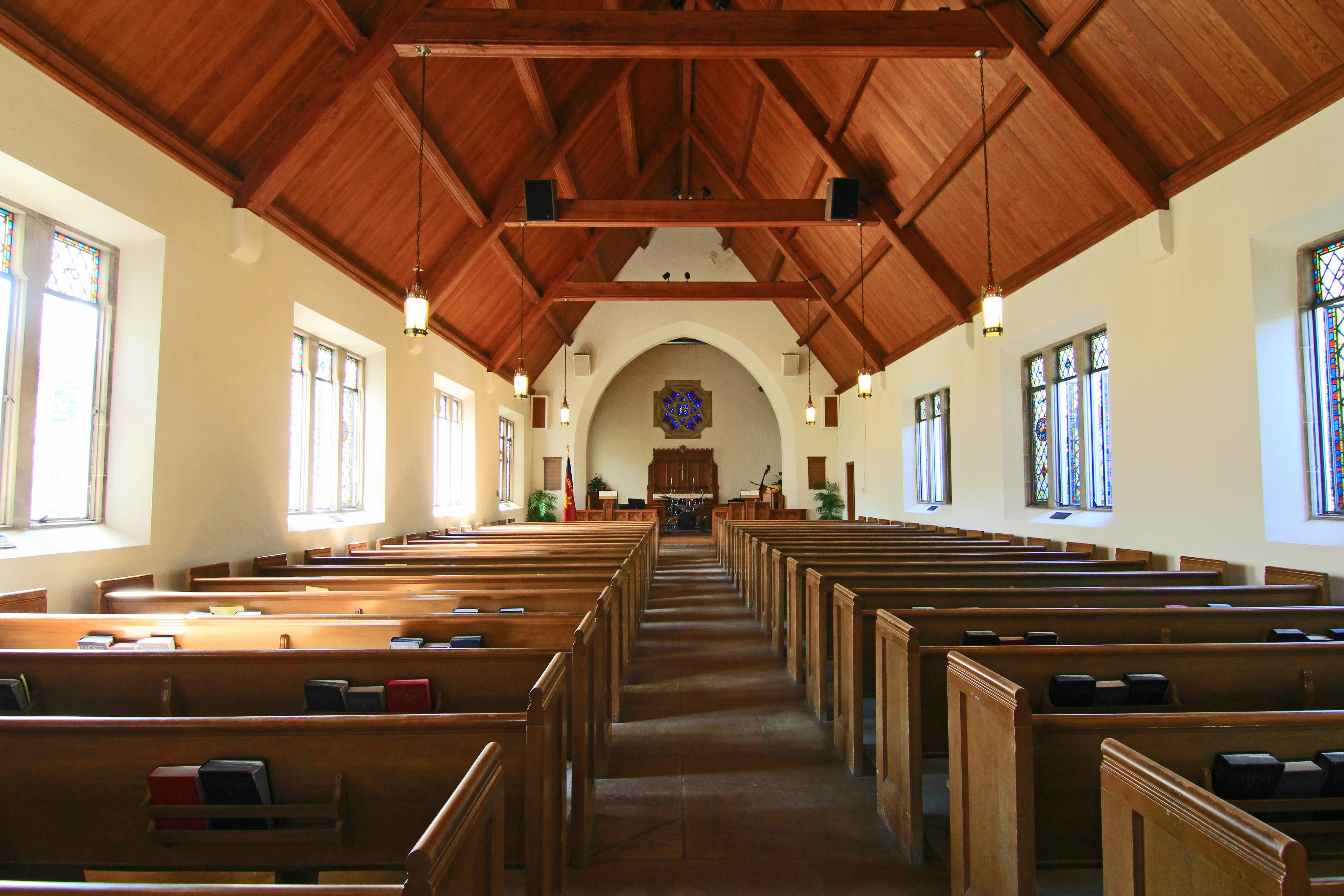
Choosing a church is one of the most important decisions in your spiritual life. The right church will strengthen your faith, deepen your understanding of God’s Word, and surround you with people who encourage your walk with Christ.
But not every church will be the right fit.
This guide will help you make a wise, biblical, and balanced decision—so you don’t just attend a church, but truly grow in one.
Why Choosing the Right Church Matters
A church is not just a place you go on Sundays—it’s a spiritual family.
According to Hebrews 10:24–25, believers are called to meet together, encourage one another, and grow in faith. The environment you place yourself in will either strengthen or weaken your spiritual life.
That’s why choosing carefully matters.
1. Look for Biblical Teaching
The foundation of any healthy church is the Word of God.
A good church teaches Scripture clearly, faithfully, and without distortion. The message should not just be motivational—it should be rooted in truth.
As seen in 2 Timothy 4:2, “Preach the word; be prepared in season and out of season.”
Ask yourself:
- Is the Bible the center of teaching?
- Are sermons helping me understand Scripture better?
- Is truth prioritized over trends?
2. Observe the Leadership
Leadership shapes the direction of the church.
Pastors and leaders should reflect humility, integrity, and a genuine love for people—not control, ego, or manipulation.
The Bible reminds us in 1 Peter 5:2–3 to lead willingly and be examples to the flock.
Look for:
- Character over charisma
- Servant leadership
- Transparency and accountability
3. Check the Church’s Doctrine
Not all churches teach the same things. Some may drift away from core biblical truths.
A healthy church aligns with essential Christian beliefs—salvation through Jesus Christ, the authority of Scripture, and the importance of grace.
As emphasized in Galatians 1:8, the gospel should never be altered.
Make sure:
- The core message of Jesus is clear
- Salvation is taught biblically
- There is no compromise on foundational truths
4. Pay Attention to the Community
Church is not just about teaching—it’s about connection.
You should feel welcomed, supported, and encouraged. A strong church community helps you grow, stay accountable, and walk through life with others.
In Acts 2:42, believers devoted themselves to fellowship, teaching, and prayer.
Ask:
- Are people genuine and welcoming?
- Is there a sense of unity?
- Can I build meaningful relationships here?
5. Look for Spiritual Growth Opportunities
A healthy church helps you grow—not stay stagnant.
This includes Bible studies, prayer groups, mentorship, and opportunities to serve.
As written in Ephesians 4:12, the church exists to equip believers for spiritual maturity.
Check for:
- Small groups or study programs
- Discipleship opportunities
- Ways to serve and use your gifts
6. Notice the Focus on Worship and Prayer
Worship should be genuine—not just performance.
Prayer should be central—not optional.
Jesus said in John 4:24, we must worship in spirit and truth.
Evaluate:
- Is worship focused on God or entertainment?
- Is prayer encouraged and practiced?
- Do services feel spiritually grounded?
7. Pray Before You Decide
This is not just a logical decision—it’s a spiritual one.
Ask God for guidance, clarity, and peace. Sometimes the right church won’t be perfect—but it will be right for your season.
As encouraged in James 1:5, God gives wisdom to those who ask.
Common Mistakes to Avoid
- Choosing based only on music or style
- Following popularity instead of truth
- Ignoring doctrine
- Staying where you are not growing
- Expecting a perfect church
Choosing a church is not about finding perfection—it’s about finding truth, growth, and community.
Take your time. Observe carefully. Pray sincerely.
The right church will not just inspire you—it will transform you.
Read More :
15 Bible verses about the Church
10 Bible verses about unity in the Church