

Forgiveness is one of the hardest things a person can do. When betrayal cuts deep, the natural response is anger, distance, or even revenge. Yet the story of Joseph shows a radically different path.
Joseph’s journey is not just about suffering. It is about transformation. It is about how a wounded heart becomes a vessel of grace.
The Betrayal That Started It All
Joseph was his father’s favorite son. This favoritism, combined with his prophetic dreams, stirred jealousy among his brothers.
What followed was cruel and calculated:
- They threw him into a pit
- Sold him into slavery
- Lied to their father, making him believe Joseph was dead
Joseph didn’t just lose his family. He lost his identity, his freedom, and his future in a single moment.
From Slave to Ruler in Egypt
Despite unimaginable hardship, Joseph’s life took a surprising turn. Through faithfulness and God’s favor, he rose to power in Egypt.
He went from:
- Slave → Servant in Potiphar’s house
- Prisoner → Interpreter of dreams
- Forgotten → Second-in-command under Pharaoh
Years passed. Pain could have hardened him. But something else was happening inside him.
The Moment of Confrontation
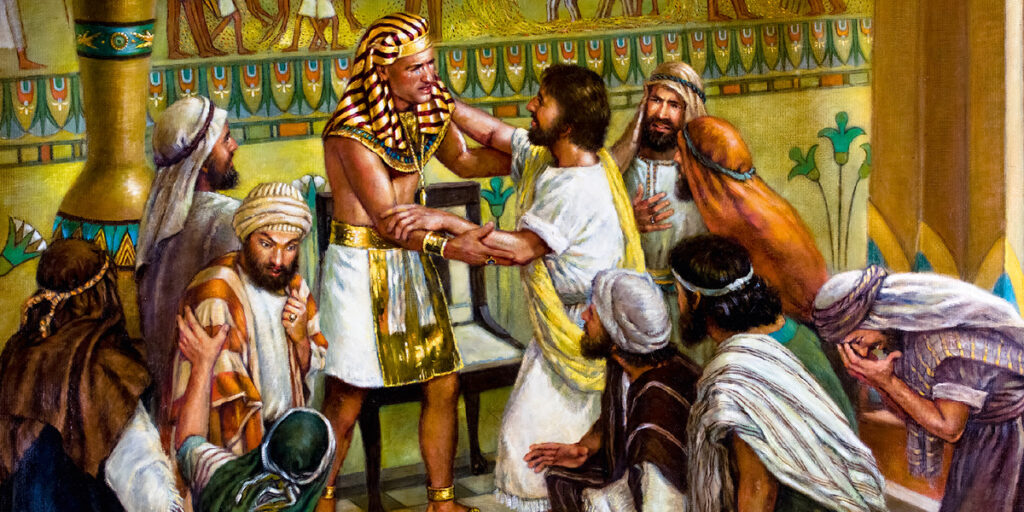
A famine struck the land, forcing Joseph’s brothers to travel to Egypt for food. They stood before him—unaware they were speaking to the very brother they had betrayed.
Joseph recognized them instantly.
Now he had power. Absolute power.
He could have:
- Punished them
- Imprisoned them
- Taken revenge
Instead, he tested their hearts. He wanted to see if they had changed.
The Breaking Point
After a series of emotional encounters, Joseph could no longer hold back his feelings.
He revealed himself with these words:
“I am Joseph. Is my father still alive?”
His brothers were terrified. They expected judgment.
What they received instead was mercy.
The Heart of Forgiveness
Joseph’s response is one of the most powerful statements in the Bible:
“You intended to harm me, but God intended it for good.”
This moment reveals the foundation of true forgiveness:
1. He acknowledged the pain
Joseph did not pretend nothing happened. He recognized their wrongdoing clearly.
2. He saw God’s bigger plan
Instead of focusing on human betrayal, he focused on divine purpose.
3. He chose compassion over revenge
Joseph provided food, protection, and even comfort to the very people who hurt him.
Why Joseph Was Able to Forgive
Joseph’s forgiveness was not instant emotion. It was the result of deep inner transformation.
A God-centered perspective
He understood that God was working behind the scenes, even in suffering.
Emotional maturity
Time allowed Joseph to process his pain instead of reacting impulsively.
Freedom from bitterness
Holding onto anger would have kept him trapped in the past. Forgiveness set him free.
What Joseph’s Forgiveness Teaches Us
Joseph’s story is not just history. It is instruction.
Forgiveness is a choice, not a feeling
You may not feel ready—but you can still choose to forgive.
God can redeem even the worst situations
What looks like destruction can become direction.
Letting go is strength, not weakness
Joseph didn’t lose power by forgiving. He revealed his true strength.
A Deeper Truth Behind the Story
Joseph’s forgiveness points to a larger spiritual reality:
- Humans fail
- People betray
- Life breaks expectations
But God restores.
Joseph didn’t excuse his brothers. He transcended their actions by trusting God’s purpose more than their wrongdoing.
Conclusion
The story of Joseph is not just about betrayal. It is about what comes after.
He had every reason to hate.
Every opportunity to take revenge.
Every justification to walk away.
But he chose forgiveness.
And in doing so, he didn’t just restore his family—he restored himself.
Final Reflection
If Joseph could forgive betrayal that deep, what might change in your life if you chose the same path?
Forgiveness doesn’t erase the past.
It releases your future.
Read More:
Joseph and His Brothers Story Explained
Joseph in Egypt Explained | From Slave to Ruler Story