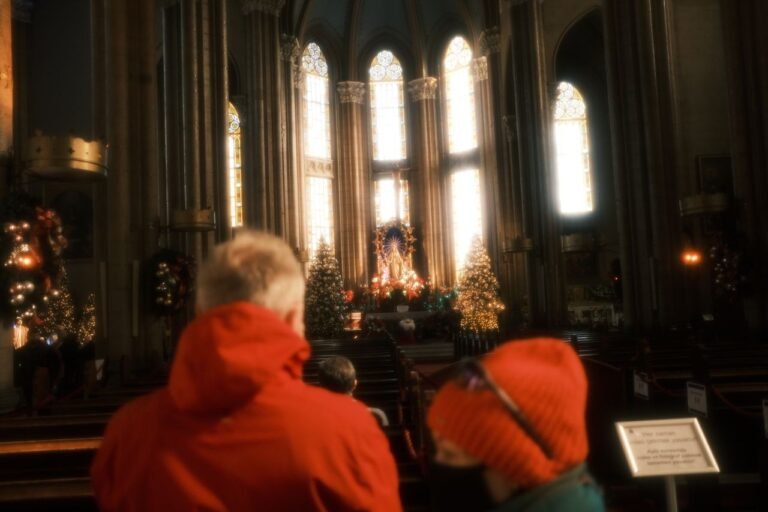


Advent is a special season in Christianity when believers prepare their hearts for Christmas and celebrate the coming of Jesus Christ. It is a time for prayer, reflection, hope, peace, joy, and love. Studying the Bible during Advent helps Christians understand the meaning of Christ’s birth and reflect on God’s promises.
These 100 Advent Bible study questions and answers cover the biblical meaning of Advent, Old Testament prophecies, the birth of Jesus, Mary and Joseph, the shepherds, the wise men, and the spiritual lessons of the season. Whether you are studying alone, leading a church group, teaching children, or preparing for a family Bible study, these questions will help you grow in your understanding of Scripture.
What Is Advent in Christianity?
Advent is the season of preparation leading up to Christmas. The word Advent comes from the Latin word adventus, meaning “coming” or “arrival.”
Advent traditionally begins on the fourth Sunday before Christmas and continues until Christmas Eve. During this season, Christians remember the first coming of Jesus Christ and reflect on the Christian hope of His return.
Many churches celebrate Advent by lighting candles, reading Scripture, praying together, and participating in devotional activities. The four traditional themes associated with Advent are hope, peace, joy, and love, although specific themes and practices vary among Christian traditions.
100 Advent Bible Study Questions and Answers
Part 1: Questions About the Meaning of Advent
1. What does Advent mean?
Advent means “coming” or “arrival.” In Christianity, it refers to the season of preparation for celebrating the birth of Jesus Christ and anticipating His return.
2. When does Advent begin?
Advent begins on the fourth Sunday before Christmas. Its starting date changes each year, falling between November 27 and December 3.
3. How long does the Advent season last?
Advent includes the four Sundays leading up to Christmas. Depending on the calendar, it can last approximately 22 to 28 days.
4. Why do Christians celebrate Advent?
Christians celebrate Advent to prepare spiritually for Christmas, remember God’s promises, reflect on the birth of Jesus, and renew their hope in His return.
5. Is Advent mentioned directly in the Bible?
The Bible does not establish a church season called Advent. However, its themes of waiting, preparation, hope, and the coming of Christ are rooted in Scripture.
6. What are the four traditional themes of Advent?
The four commonly recognized themes are hope, peace, joy, and love. Churches may arrange these themes differently or emphasize other biblical themes.
7. What is the purpose of Advent Bible study?
Advent Bible study helps believers understand the prophecies about Jesus, reflect on the Christmas story, strengthen their faith, and prepare their hearts for the celebration of Christ’s birth.
8. What is the difference between Advent and Christmas?
Advent is the season of preparation before Christmas. Christmas celebrates the birth of Jesus Christ.
9. What color is traditionally associated with Advent?
Purple or violet is traditionally used in many churches to represent preparation and reflection. Some traditions use blue, while rose or pink is often used on the third Sunday of Advent.
10. How can Christians observe Advent at home?
Christians can observe Advent by reading the Bible, praying daily, lighting an Advent wreath, singing Christmas hymns, helping people in need, and reflecting on the meaning of Jesus’ birth.
Part 2: Advent Bible Study Questions About Hope
11. What does hope mean during Advent?
Hope during Advent means trusting God’s promises and looking forward to the fulfillment of His purposes through Jesus Christ.
12. Which Old Testament prophet spoke about a child who would be called Immanuel?
Isaiah spoke of a sign involving a child called Immanuel in Isaiah 7:14. Matthew 1:22–23 connects this prophecy with the birth of Jesus.
13. What does the name Immanuel mean?
Immanuel means “God with us.” The name expresses the truth that God has come near to humanity through Jesus Christ.
14. Which Bible verse describes Jesus as the hope of the world?
Romans 15:12 speaks of the root of Jesse rising to rule the nations and says that the Gentiles will hope in Him.
15. What promise did God make to Abraham that connects with the coming of Jesus?
God promised Abraham that all the families of the earth would be blessed through him (Genesis 12:3). Galatians 3:16 connects the promise to Abraham’s offspring with Christ.
16. What does Jeremiah 23:5 prophesy about the coming Messiah?
Jeremiah 23:5 promises that God will raise up a righteous Branch from David’s line who will reign wisely and establish justice and righteousness.
17. What does Isaiah 9:6 teach about the promised child?
Isaiah 9:6 describes a child who will be born and a son who will be given, using titles including Wonderful Counselor, Mighty God, Everlasting Father, and Prince of Peace.
18. How does Advent remind Christians to trust God’s timing?
Advent recalls the long period in which God’s people waited for the promised Messiah. It encourages believers to remain faithful even when God’s promises seem slow to unfold.
19. What does Romans 15:13 teach about hope?
Romans 15:13 describes God as the source of hope and prays that believers will be filled with joy and peace through faith, overflowing with hope by the power of the Holy Spirit.
20. How can Christians practice hope during Advent?
Christians can practice hope by praying, remembering God’s faithfulness, studying biblical promises, encouraging others, and trusting God during difficult circumstances.
Part 3: Advent Bible Study Questions About Peace
21. What does peace mean during Advent?
Peace during Advent points to reconciliation with God through Jesus Christ and the peace believers can experience by trusting Him.
22. Which prophet called the promised Messiah the Prince of Peace?
Isaiah called the promised child the Prince of Peace in Isaiah 9:6.
23. What message did the angels proclaim when Jesus was born?
In Luke 2:14, the angels praised God and proclaimed glory to God in the highest and peace on earth among those who receive His favor.
24. How does Jesus bring peace to believers?
Jesus brings peace through reconciliation with God. Romans 5:1 teaches that believers are justified by faith and have peace with God through Jesus Christ.
25. What does John 14:27 teach about peace?
Jesus tells His disciples that He gives them His peace and encourages them not to be troubled or afraid.
26. How can Christians find peace during the busy Christmas season?
They can make time for prayer, read Scripture, practice gratitude, forgive others, simplify unnecessary commitments, and focus on the meaning of Christ’s birth.
27. What does Philippians 4:6–7 teach about anxiety?
Paul encourages believers to bring their concerns to God through prayer and thanksgiving. He describes God’s peace as guarding their hearts and minds in Christ Jesus.
28. What is the connection between Advent and reconciliation?
Advent celebrates the coming of Jesus, whose life and work bring reconciliation between God and humanity. It also encourages Christians to pursue forgiveness and peace in their relationships.
29. What does Micah 5:2–5 teach about the promised ruler from Bethlehem?
Micah prophesies that a ruler will come from Bethlehem and describes Him as one who will shepherd His people. The passage also connects His reign with peace.
30. What is one practical way to share peace during Advent?
A Christian can reach out to someone experiencing loneliness, resolve a disagreement, offer forgiveness, or provide practical help to a person in need.
Part 4: Advent Bible Study Questions About Joy
31. Why is joy an important theme of Advent?
Joy is important because Advent celebrates God’s faithfulness and the good news that Jesus Christ came into the world to bring salvation.
32. What did the angel tell the shepherds about Jesus’ birth?
In Luke 2:10–11, the angel announced good news of great joy for all people and declared that a Savior, Christ the Lord, had been born in David’s city.
33. Which Bible verse says that the fruit of the Spirit includes joy?
Galatians 5:22 identifies joy as one of the fruits of the Holy Spirit.
34. How did the wise men respond when they saw the star?
Matthew 2:10 says that the wise men rejoiced with exceedingly great joy when they saw the star.
35. What does Psalm 16:11 teach about joy?
Psalm 16:11 describes fullness of joy in God’s presence and lasting pleasures at His right hand.
36. Can Christians experience joy during difficult circumstances?
Yes. Biblical joy is rooted in faith in God rather than in perfect circumstances. James 1:2–3 encourages believers to consider trials an occasion for joy because testing can develop perseverance.
37. How can families celebrate joy during Advent?
Families can read the Christmas story, sing hymns, pray together, share gratitude, serve their community, and create meaningful traditions centered on Jesus.
38. What does the Magnificat teach about joy?
Mary’s song in Luke 1:46–55 expresses praise to God for His faithfulness, mercy, and care for the humble.
39. How does gratitude help Christians experience joy during Advent?
Gratitude helps believers recognize God’s goodness and appreciate spiritual blessings instead of focusing only on material gifts or holiday expectations.
40. What is the difference between biblical joy and temporary happiness?
Temporary happiness often depends on circumstances. Biblical joy is grounded in God’s character, His promises, and the hope believers have in Christ.
Part 5: Advent Bible Study Questions About Love
41. Why is love an important theme of Advent?
Love is central to Advent because the coming of Jesus demonstrates God’s love for humanity.
42. Which Bible verse says that God loved the world and gave His Son?
John 3:16 teaches that God loved the world and gave His one and only Son so that everyone who believes in Him may have eternal life.
43. How does the birth of Jesus demonstrate God’s love?
The birth of Jesus marks His coming into the world as part of God’s saving purpose. Christians understand His life, death, and resurrection as the fullest demonstration of God’s redeeming love.
44. What does 1 John 4:9 teach about God’s love?
First John 4:9 explains that God’s love was revealed by sending His only Son into the world so that people might live through Him.
45. How did Mary demonstrate faith and trust in God?
In Luke 1:38, Mary responds to God’s message by identifying herself as the Lord’s servant and accepting His word.
46. What does the Bible teach about loving our neighbors?
Matthew 22:39 records Jesus’ command to love your neighbor as yourself.
47. How can Christians demonstrate love during Advent?
They can care for vulnerable people, visit those who are lonely, give generously, forgive others, and show kindness without expecting anything in return.
48. What does 1 Corinthians 13 teach about love?
First Corinthians 13 describes love as patient and kind, not envious or boastful, and not self-seeking. It emphasizes that love is essential to Christian life.
49. Why should Christians remember people in need during Advent?
Remembering people in need helps believers put Christlike love into practice and recognize the dignity of others.
50. What is one question to reflect on about love during Advent?
Ask yourself: “How can I show God’s love to someone who feels forgotten, rejected, or alone this Christmas?”
Part 6: Advent Bible Study Questions About Old Testament Prophecies
51. Which prophet foretold that a ruler would come from Bethlehem?
Micah foretold that a ruler for Israel would come from Bethlehem in Micah 5:2.
52. Why is Bethlehem important in the Christmas story?
Bethlehem is significant because Jesus was born there, fulfilling the setting described in Micah’s prophecy, as recorded in Matthew 2:1 and Luke 2:4–7.
53. What does Isaiah 7:14 say about the promised child?
Isaiah 7:14 speaks of a sign involving a young woman who will conceive and bear a son called Immanuel. Matthew 1:22–23 applies this passage to Jesus.
54. What does Isaiah 11:1 teach about the Messiah?
Isaiah 11:1 describes a shoot coming from the stump of Jesse and a Branch growing from his roots, a picture Christians associate with the promised Messiah from David’s family.
55. What does Isaiah 40:3 say about preparing the way of the Lord?
Isaiah 40:3 describes a voice calling for a way to be prepared for the Lord in the wilderness. The Gospels connect this passage with John the Baptist.
56. Which Old Testament book describes a messenger preparing the way for the Lord?
Malachi 3:1 describes a messenger who will prepare the way before the Lord comes.
57. What does Daniel 7:13–14 describe?
Daniel describes one like a son of man receiving dominion, glory, and a kingdom that will not pass away. Christians often connect this vision with the authority and kingdom of Christ.
58. What is the significance of the covenant God made with David?
In 2 Samuel 7:12–16, God promises David an enduring royal line. The New Testament presents Jesus as the promised descendant of David whose kingdom endures.
59. How does the Old Testament prepare readers for the Christmas story?
The Old Testament contains promises, prophecies, and themes involving a coming king, a shepherd, God’s presence, salvation, and the restoration of His people.
60. Why is it important to study Old Testament prophecies during Advent?
Studying these prophecies helps Christians understand the larger biblical story and how the New Testament presents Jesus as the fulfillment of God’s promises.
Part 7: Advent Bible Study Questions About Mary and Joseph
61. Who was Mary in the Christmas story?
Mary was a young woman from Nazareth whom God chose to be the mother of Jesus.
62. Which angel announced Jesus’ birth to Mary?
The angel Gabriel announced to Mary that she would conceive and give birth to Jesus, as recorded in Luke 1:26–31.
63. How did Mary respond to the angel’s announcement?
Mary responded with faith and submission, saying in Luke 1:38 that she was the Lord’s servant and asking that His word be fulfilled.
64. Who was Joseph?
Joseph was Mary’s betrothed husband and the earthly guardian of Jesus. Matthew 1:19–25 describes his response to learning about Mary’s pregnancy and the angel’s message.
65. Why did Joseph consider divorcing Mary quietly?
Matthew 1:19 explains that Joseph was righteous and did not want to expose Mary to public disgrace, so he planned to end the betrothal quietly.
66. What message did the angel give Joseph in a dream?
The angel told Joseph not to be afraid to take Mary as his wife because the child was conceived through the Holy Spirit. The angel also instructed him to name the child Jesus (Matthew 1:20–21).
67. What does the name Jesus mean?
The name Jesus is related to the Hebrew name Yeshua and is commonly understood to mean “the Lord saves.” Matthew 1:21 connects His name with His mission to save His people from their sins.
68. What can Christians learn from Mary’s response to God?
Mary’s response teaches lessons about faith, humility, courage, and willingness to trust God even when His plans are difficult to understand.
69. What can Christians learn from Joseph’s obedience?
Joseph’s response demonstrates faithfulness, compassion, and a willingness to follow God’s direction even when doing so requires difficult decisions.
70. Why are Mary and Joseph important figures in Advent Bible study?
Their experiences help believers reflect on faith, obedience, trust, and the human circumstances surrounding Jesus’ birth.
Part 8: Advent Bible Study Questions About the Birth of Jesus
71. Where was Jesus born?
Jesus was born in Bethlehem, as recorded in Matthew 2:1 and Luke 2:4–7.
72. Why did Mary and Joseph travel to Bethlehem?
Luke 2:1–5 explains that they traveled to Bethlehem in connection with a census ordered under Caesar Augustus.
73. Why was Jesus laid in a manger?
Luke 2:7 says that Mary laid Jesus in a manger because there was no place for them in the guest room. The text does not provide every detail of the building or setting.
74. Who first received the angel’s announcement of Jesus’ birth in Luke’s Gospel?
Shepherds watching their flocks at night received the announcement, as described in Luke 2:8–12.
75. What sign did the angel give the shepherds?
The shepherds were told they would find a baby wrapped in cloths and lying in a manger (Luke 2:12).
76. What did the shepherds do after hearing the announcement?
They went to Bethlehem to see the child. Afterward, they shared what they had heard and seen and glorified and praised God (Luke 2:15–20).
77. What does the birth of Jesus teach about humility?
The humble circumstances surrounding Jesus’ birth remind Christians that God’s work is not dependent on worldly status, wealth, or power.
78. Why is Jesus called the Savior?
Jesus is called the Savior because He came to save people from their sins. Matthew 1:21 explicitly connects His name with this mission.
79. What does Luke 2:11 teach about the identity of Jesus?
Luke 2:11 identifies Jesus as Savior, Christ, and Lord, emphasizing His central role in the Christian faith.
80. What is the most important lesson from the Christmas story?
The Christmas story teaches Christians about God’s faithfulness, the coming of the Savior, the importance of faith, and the hope of salvation through Jesus Christ.
Part 9: Advent Bible Study Questions About the Wise Men
81. Who were the wise men in the Christmas story?
The wise men, also called the Magi, were visitors from the East who came to honor Jesus, as recorded in Matthew 2:1–12.
82. How did the wise men know to look for Jesus?
Matthew 2 explains that the wise men saw His star and came to Jerusalem seeking the one born King of the Jews.
83. How many wise men visited Jesus?
The Bible does not specify their number. The tradition of three wise men likely developed because Matthew mentions three types of gifts.
84. What gifts did the wise men bring to Jesus?
They brought gold, frankincense, and myrrh, according to Matthew 2:11.
85. What is the significance of the gifts brought by the wise men?
The gifts were valuable offerings fit for honoring a king. Christians have also traditionally associated them with Jesus’ kingship, worship, and suffering, although Matthew does not explicitly explain their symbolic meanings.
86. Why did the wise men rejoice when they saw the star?
Matthew 2:10 says they rejoiced with great joy because the star guided them toward the child they had come to honor.
87. Why did the wise men avoid returning to Herod?
After being warned in a dream, the wise men returned to their country by another route rather than reporting back to Herod (Matthew 2:12).
88. What can Christians learn from the wise men’s journey?
Their journey encourages believers to seek Jesus, respond to what they understand about God, and honor Christ with sincere worship.
89. What role did King Herod play in the Christmas story?
Herod viewed the news of a newborn King of the Jews as a threat to his power. Matthew 2 describes his deceptive inquiry and his violent response.
90. Why should Christians study Matthew 2 during Advent?
Matthew 2 explores the recognition of Jesus as King, the worship of the wise men, the opposition He faced, and the importance of responding faithfully to Him.
Part 10: Advent Bible Study Questions for Personal Reflection
91. How can I prepare my heart for Christmas?
You can prepare your heart through prayer, Scripture reading, repentance, gratitude, worship, and acts of kindness.
92. What can I learn from the people who waited for the Messiah?
Their stories teach patience, perseverance, trust in God’s promises, and faithfulness during seasons of uncertainty.
93. How can I make Jesus the center of my Advent celebration?
Set aside time for Bible study, prayer, worship, and service. Consider making spiritual reflection a regular part of your family’s Christmas traditions.
94. What does Advent teach about waiting on God?
Advent reminds believers that waiting can be an expression of faith. God’s people waited for the Messiah, and Christians continue to trust God’s purposes while awaiting Christ’s return.
95. How can I practice generosity during Advent?
Give to people in need, support charitable work, share food, volunteer, or offer your time and attention to someone who needs encouragement.
96. What does the Bible teach about welcoming strangers?
Hebrews 13:2 encourages believers not to neglect hospitality to strangers. Advent can be an opportunity to welcome people who might otherwise feel excluded.
97. How can I use Advent to strengthen my family relationships?
Read Scripture together, pray for one another, practice forgiveness, share meaningful conversations, and create opportunities to serve others as a family.
98. What should I pray for during Advent?
You can pray for deeper faith, peace in your heart, wisdom, forgiveness, the well-being of others, and a greater understanding of Jesus Christ.
99. How can Advent help me grow spiritually?
Advent can encourage you to develop consistent prayer habits, understand Scripture more deeply, practice Christian virtues, and reflect on God’s faithfulness.
100. What is the central message of Advent?
The central message of Advent is that God has acted in history through Jesus Christ and that Christians can live with hope as they remember His first coming and await His return.
How to Use These Advent Bible Study Questions
These 100 Advent Bible study questions and answers can be used for personal devotion, family worship, Sunday school, church small groups, or a daily Advent Bible study.
Here are five simple ways to use them throughout the season.
- Study one question each day: Read the related Bible passage, reflect on the answer, and write down one lesson you can apply.
- Use them in a church group: Divide the questions among participants and invite everyone to share their thoughts.
- Create a family Advent tradition: Discuss a question at dinner or during evening prayer.
- Keep a reflection journal: Write about how each theme of Advent relates to your faith and daily life.
- Connect study with action: Choose one practical way to demonstrate hope, peace, joy, or love each week.
For a deeper study, read the complete Bible passages rather than relying only on the short answers. Consider beginning with Isaiah 9, Micah 5, Luke 1–2, and Matthew 1–2.
Frequently Asked Questions About Advent Bible Study
What are good Bible study topics for Advent?
Good Advent Bible study topics include the prophecies about the Messiah, the meaning of hope, peace, joy, and love, the angel Gabriel’s announcement to Mary, Joseph’s obedience, the shepherds’ response, the visit of the wise men, and the Christian hope of Christ’s return.
What Bible chapters should I read during Advent?
Begin with Isaiah 7 and 9, Micah 5, Luke 1–2, and Matthew 1–2. You can also read John 1:1–18, Romans 15:12–13, and Philippians 4:4–9 to explore the themes of Christ’s coming, hope, joy, and peace.
How do you conduct an Advent Bible study?
Choose a short Bible passage, read it carefully, discuss a few questions, identify its main message, and finish with prayer. A daily study can take 10–15 minutes, while a group session may include additional discussion and reflection.
Can beginners use these Advent Bible study questions?
Yes. These questions are suitable for beginners because they introduce the meaning of Advent, explain important parts of the Christmas story, and connect biblical passages with everyday Christian life.
What are the four Sundays of Advent?
The four Sundays of Advent are the four Sundays leading up to Christmas. Many churches associate them with hope, peace, joy, and love, although the themes and order can vary by tradition.
Is Advent a good time to start reading the Bible?
Yes. Advent offers a natural starting point for reading Scripture because its themes focus on the promises of God, the birth of Jesus, and the hope found in Christ. Beginners can start with one passage a day from Luke 1–2.
Final Thoughts
Advent is more than a countdown to Christmas. It is an invitation to slow down, reflect on God’s promises, and prepare your heart to celebrate Jesus Christ.
These 100 Advent Bible study questions and answers offer a practical way to explore the biblical meaning of the season, understand the people and events surrounding Jesus’ birth, and apply the lessons of Scripture to everyday life.
As you study this Advent season, remember the hope that sustains you, the peace that comes through Christ, the joy of God’s promises, and the love revealed through Jesus. Let your preparation for Christmas become an opportunity to grow closer to God and share His love with others.
Suggested closing prayer:
Heavenly Father, thank You for the gift of Jesus Christ. As we enter this Advent season, prepare our hearts to receive Your Word with faith and gratitude. Fill us with hope, peace, joy, and love. Help us remember Your promises, care for those in need, and share the good news of Christ with others. May our lives reflect Your goodness throughout this season and beyond. In Jesus’ name, Amen.
Read More:
4-Week Advent Devotional: Hope, Peace, Joy and Love
Advent Devotional for Women: Preparing Your Heart for Jesus
Advent Reflections for Busy Christians
How to Practice Advent Fasting and Prayer: A Christian Guide