

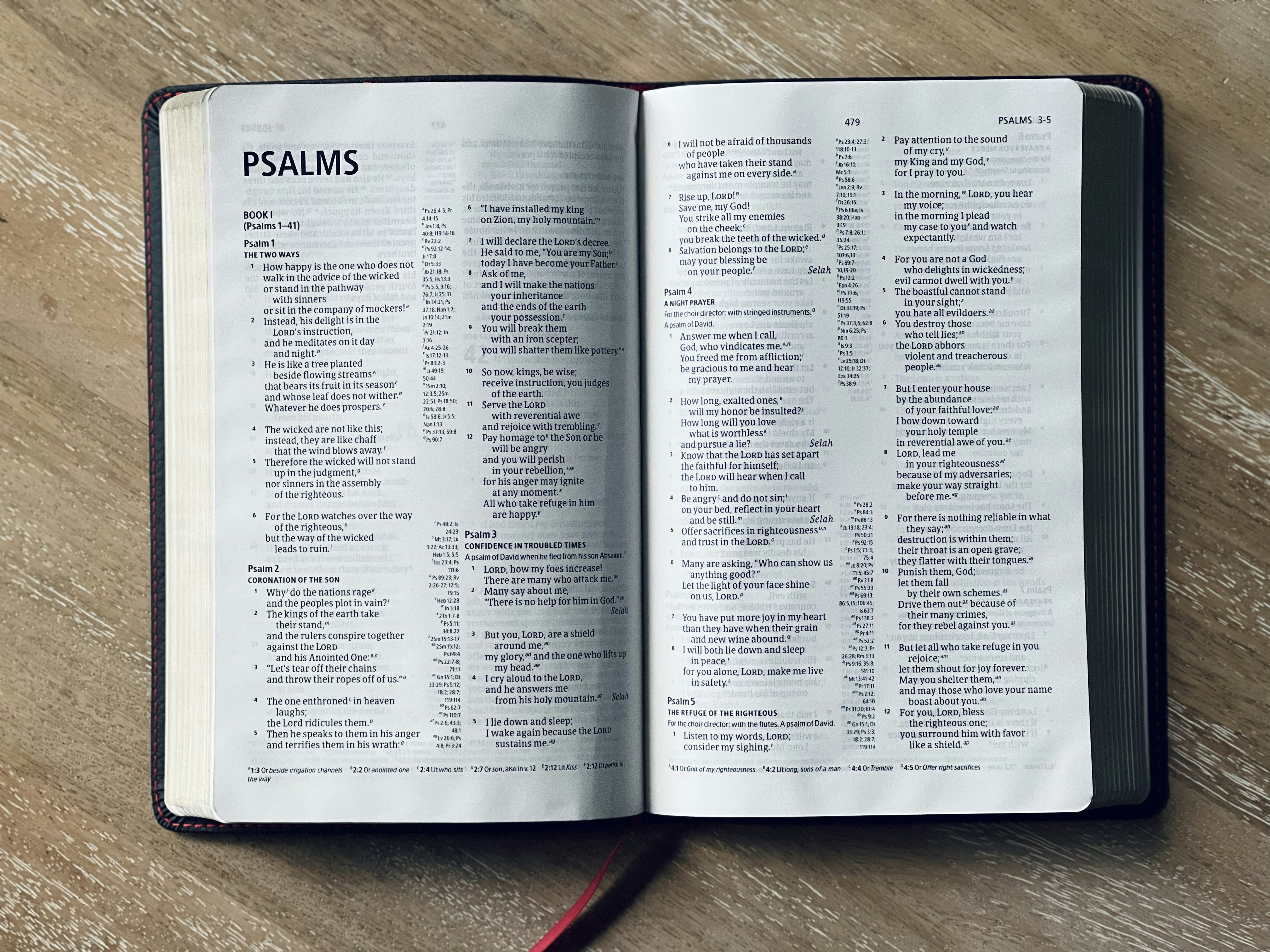
Introduction: A Song from the Depths
Have you ever felt so overwhelmed by guilt, pain, or despair that all you could do was cry out to God? Psalm 130 speaks directly to that moment. It is a psalm of raw emotion, written by someone who knows what it means to hit rock bottom. Yet, it is also a song of hope and redemption, a reminder that no matter how far we fall, God’s mercy is greater than our mistakes.
This psalm is often called De Profundis, which means “Out of the Depths” in Latin. It captures the very essence of human sorrow mixed with divine hope. Let’s take a closer look at what makes Psalm 130 one of the most powerful prayers in the Bible.
Background: A Song of Ascents with a Deep Cry
Psalm 130 is part of the Songs of Ascents, a collection of fifteen psalms (120–134) that pilgrims would sing on their journey to Jerusalem. While many of these psalms are joyful and uplifting, Psalm 130 begins with a cry of desperation:
“Out of the depths I cry to you, Lord;Lord, hear my voice.
Let your ears be attentiveto my cry for mercy.” (Psalm 130:1-2)
This opening shows a heart crying out from the depths of trouble or sin. It is not a formal prayer but a desperate plea for forgiveness. The psalmist knows that without God’s mercy, he has no hope.
The Weight of Sin and the Need for Forgiveness
The next few verses capture the universal struggle of guilt and the longing for grace:
“If you, Lord, kept a record of sins,Lord, who could stand?
But with you there is forgiveness,so that we can, with reverence, serve you.” (Psalm 130:3-4)
These words remind us that none of us could stand before a perfectly holy God if He chose to hold our sins against us. Yet, the beauty lies in the fact that God does not keep a record of our sins when we repent. His forgiveness is what gives us the courage to draw near to Him again.
This verse also teaches that forgiveness is not a license to continue sinning. Instead, it inspires reverence and worship. Knowing we are forgiven should lead us to serve God with a humble and grateful heart.
Waiting and Hoping in the Lord
The middle section of Psalm 130 shifts from a cry for help to an expression of trust:
“I wait for the Lord, my whole being waits,and in his word I put my hope.
I wait for the Lordmore than watchmen wait for the morning.” (Psalm 130:5-6)
Waiting on God is one of the hardest parts of faith. The psalmist paints the picture of watchmen who stand through the night, eagerly waiting for the dawn. They know the morning will come, even if it feels delayed.
In the same way, believers are called to wait for God’s mercy and deliverance with confidence. The darkness may be long, but morning always comes for those who trust in His promises.
Hope and Redemption for All People
In the final verses, the psalmist turns from personal reflection to a message of hope for the entire nation of Israel:
“Israel, put your hope in the Lord,
for with the Lord is unfailing loveand with him is full redemption.
He himself will redeem Israelfrom all their sins.” (Psalm 130:7-8)
Here, the psalm widens its focus. It is no longer just about one person’s repentance but about the collective redemption of God’s people. This echoes the message of the Gospel that God’s love is unfailing, and His power to redeem is complete.
The phrase “full redemption” means that God does not do things halfway. He redeems completely, restoring both our souls and our relationship with Him.
Lessons from Psalm 130
Psalm 130 carries timeless lessons for anyone walking through guilt, pain, or spiritual struggle:
-
Cry out honestly to God. You do not need fancy words. God listens to sincere hearts.
-
Acknowledge your need for forgiveness. None of us can stand on our own righteousness.
-
Trust in God’s mercy. His forgiveness is greater than your deepest failure.
-
Wait with faith. God’s timing may test you, but His deliverance will never fail.
-
Share hope with others. Just like the psalmist calls Israel to hope, we too should remind others of God’s unfailing love.
Applying Psalm 130 to Everyday Life
When life feels heavy, Psalm 130 reminds us that the answer is not to run away from God but to run toward Him. Whether you are dealing with regret, depression, or fear, God invites you to cry out to Him from the depths of your heart.
Spend time in prayer. Read His Word daily. Replace your fear with faith and your despair with hope. As the psalmist says, “In His Word I put my hope.” Let Scripture guide you out of the depths and into the light of His love.
If you are waiting on God today, remember that even the darkest night must give way to morning. Hold on to His promises, for His redemption is near.
Conclusion: Out of the Depths, Into His Grace
Psalm 130 is a journey from despair to hope, from guilt to forgiveness, from darkness to redemption. It shows us that our lowest moments can become the starting point of God’s greatest work in us.
If you feel burdened today, let Psalm 130 be your prayer. Cry out from the depths, wait on His Word, and trust in His unfailing love. God hears every cry, and His mercy is enough to lift you out of any pit.
Read More:
Psalm 103 Meaning and Reflection
Psalm 42 Meaning and Reflection
Psalm 20 Meaning Explained: A Prayer for Victory, Help, and Trust in God
Psalm 84 Meaning: Why One Day with God Is Better Than a Thousand Elsewhere
Psalm 3 Explained: How to Trust God When You’re Surrounded by Trouble and Fear