

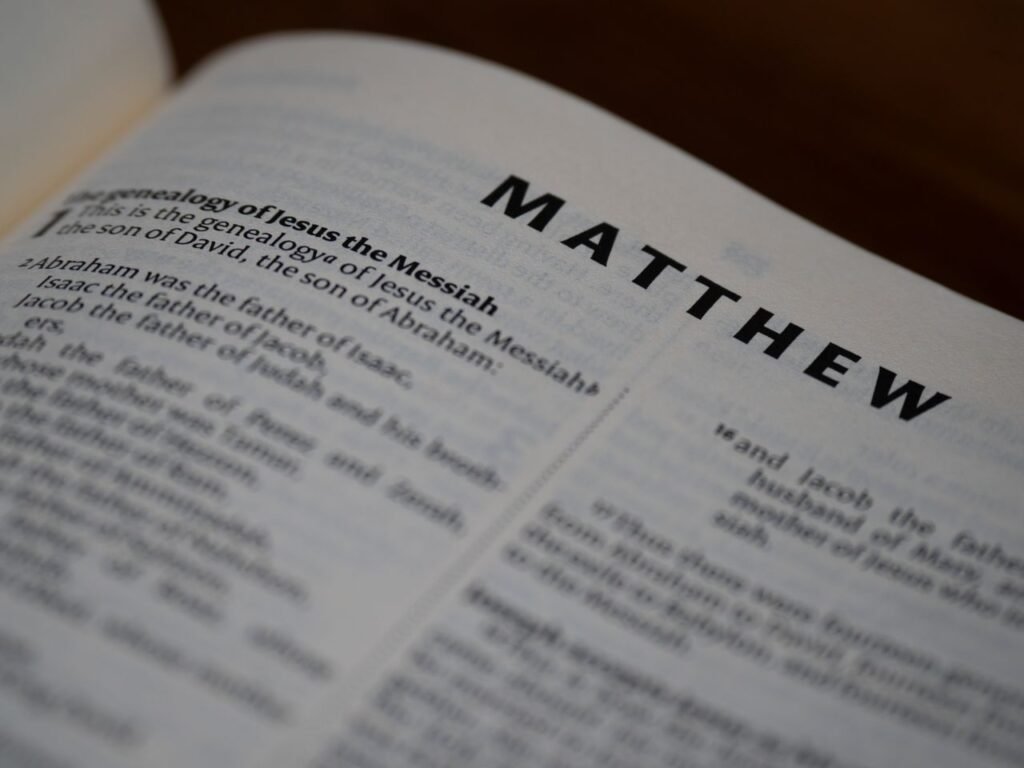
Bible Verse: Matthew 6:33 (KJV)
“But seek ye first the kingdom of God, and his righteousness; and all these things shall be added unto you.”
What if the secret to a more peaceful life begins with changing what you put first?
Many people spend their days worrying about money, chasing success, and trying to secure their future. They work hard to build a better life, yet they still struggle with uncertainty. Jesus addressed this very problem when He taught His followers to seek God’s kingdom before everything else.
Matthew 6:33 is a powerful reminder that faith should shape our priorities. It teaches us to pursue God’s will, live according to His righteousness, and trust Him with the necessities of life.
But this verse is about more than receiving blessings. It challenges us to examine our hearts, reconsider our ambitions, and discover what it truly means to put God first.
Let’s explore the meaning of Matthew 6:33 through its biblical context, seven important spiritual lessons, and practical examples for everyday life.
Matthew 6:33 Explained in One Minute
In simple terms, Matthew 6:33 means that God should be the highest priority in a believer’s life. Jesus encourages His followers to seek God’s kingdom and live righteously instead of allowing anxiety about material needs to control them.
The verse contains three central ideas:
- Seek first: Make God your highest priority rather than treating faith as an afterthought.
- God’s kingdom and righteousness: Follow God’s will and strive to live according to His teachings.
- All these things shall be added: Trust God’s care for your essential needs instead of living in constant fear about the future.
Jesus was not promising that believers would become wealthy or receive everything they desired. He was teaching them to trust their heavenly Father while keeping their priorities centered on Him.
The Story Behind Matthew 6:33
Matthew 6:33 appears in the Sermon on the Mount, where Jesus taught His followers how to live according to God’s kingdom.
Earlier in Matthew 6, Jesus warned against making earthly treasures the foundation of life. He explained that a person cannot serve both God and money as competing masters.
He then addressed another universal concern: worrying about the necessities of life.
In Matthew 6:25–32, Jesus spoke about food, drink, and clothing. He pointed to the birds of the air and the flowers of the field to illustrate God’s care for His creation.
His point was not that people should stop working or ignore their responsibilities. Instead, He challenged them not to let anxiety dominate their lives.
Jesus reminded His listeners that their heavenly Father already knew what they needed.
Matthew 6:33 follows naturally from this teaching. Rather than making material security their highest pursuit, Jesus called them to seek God’s kingdom and righteousness first.
The next verse, Matthew 6:34, continues the lesson by warning against becoming consumed by tomorrow’s worries.
The central message is that God deserves first place, and fear about the future should not become the master of your life.
7 Powerful Lessons From Matthew 6:33
1. Put God Before Your Personal Ambitions
Everyone has goals. You may want a successful career, a comfortable home, financial independence, or a better future for your family.
There is nothing inherently wrong with these ambitions. The problem begins when achieving them becomes more important than your relationship with God.
Jesus calls believers to examine what occupies the highest place in their hearts.
Are you willing to compromise your honesty to earn more money? Do you neglect your spiritual life because you are too busy chasing success? Have you begun measuring your worth by your possessions?
Seeking God first means pursuing your goals without abandoning your faith or values.
You can work hard and dream big while remembering that worldly success is not the ultimate purpose of your life.
2. Trust God When You Worry About Money
Financial uncertainty can be exhausting. Bills must be paid, families need support, and unexpected expenses can create genuine hardship.
Jesus understood that people needed food, clothing, and other necessities. His teaching was not a dismissal of these concerns.
Instead, He reminded His followers that worry should not consume them.
Matthew 6:33 encourages Christians to pray for provision, seek wise advice, work diligently, and make responsible financial decisions while trusting God with what they cannot control.
It does not promise that every financial problem will disappear immediately. It offers a different way to face those problems: with faith rather than constant fear.
3. Seek God’s Righteousness, Not Just His Blessings
It is easy to approach faith primarily as a way to obtain something. People may pray for better jobs, healthier relationships, financial success, or relief from difficult circumstances.
These are understandable requests. However, Matthew 6:33 places God’s righteousness alongside His kingdom.
Jesus calls His followers to care about the kind of people they are becoming, not simply the things they hope to receive.
Seeking righteousness means choosing honesty when lying would be easier, showing compassion when someone is struggling, and treating others fairly even when doing so offers no personal advantage.
God is not merely someone to ask for blessings. He is the One whose character and teachings should shape our lives.
4. Stop Letting Tomorrow Steal Today’s Peace
Worry often begins with questions about the future.
What if you lose your job? What if your plans fail? What if you cannot provide for your family? What if things never improve?
These questions can make tomorrow’s uncertainties feel heavier than today’s responsibilities.
Jesus addressed this problem directly in Matthew 6:34, teaching His followers not to become overwhelmed by the worries of the next day.
This does not mean ignoring the future. Planning, saving, and preparing are sensible activities.
The lesson is to avoid becoming so consumed by what might happen that you cannot faithfully live in the present.
Pray about tomorrow, prepare wisely, and focus on the responsibilities God has placed before you today.
5. Remember That Your Worth Is Not Measured by Wealth
Modern culture often connects success with income, possessions, status, and recognition.
It can be tempting to believe that a person who earns more or owns more has a more meaningful life.
Matthew 6:33 challenges this assumption by placing God’s kingdom above material achievement.
Your value is not determined by your salary, the size of your home, or the number of possessions you own.
A life marked by faith, kindness, integrity, and love has a value that cannot be measured by a bank balance.
This perspective can help believers pursue financial stability without making money the foundation of their identity.
6. Faith Should Change the Way You Treat People
Seeking God’s kingdom is not limited to prayer and personal devotion. It should influence how you behave toward others.
Jesus repeatedly taught His followers to love their neighbors, show mercy, forgive, and care for those in need.
These teachings offer practical ways to pursue righteousness.
You might help someone who is struggling, refuse to participate in gossip, apologize when you have caused harm, or treat someone with dignity despite your disagreements.
Small decisions can reveal whether your faith is shaping your character.
Matthew 6:33 invites you to make God’s values visible through your actions.
7. Trust God Without Becoming Passive
One misunderstanding of Matthew 6:33 is that putting God first means waiting for Him to solve every problem without taking action.
The surrounding passage does not require this interpretation.
The Bible also teaches diligence, wisdom, responsibility, and care for others.
If you are looking for work, you can pray while submitting applications. If you are struggling financially, you can trust God while reviewing your expenses and seeking opportunities to improve your situation.
If a relationship is broken, you can pray for guidance while taking appropriate steps toward reconciliation, when safe and possible.
Faith does not eliminate responsibility. It gives believers a foundation from which to approach their responsibilities.
What Does “Seek First the Kingdom of God” Really Mean?
The phrase “seek first the kingdom of God” is the heart of Matthew 6:33.
God’s kingdom refers to His reign and authority. Seeking His kingdom means wanting His will to guide your life and choosing to live according to the values Jesus taught.
This includes love, justice, mercy, humility, forgiveness, and faithfulness.
It also means considering whether your ambitions serve a purpose beyond personal gain.
For example, a business owner can seek God’s kingdom by treating employees fairly and conducting business honestly. A parent can do so by raising children with love and integrity. A student can pursue education without cheating or sacrificing their values.
Seeking God’s kingdom does not require abandoning ordinary responsibilities. It means carrying them out in a way that honors God.
What Does “And His Righteousness” Mean?
Righteousness means living in a way that is right in God’s sight.
In Matthew 6:33, Jesus calls His followers to pursue more than outward religious appearances. He wants their hearts and actions to reflect God’s character.
Seeking righteousness includes:
- Being honest, even when dishonesty would be profitable.
- Showing compassion toward people who are suffering.
- Forgiving others while maintaining appropriate boundaries.
- Treating people fairly, regardless of their wealth or social position.
- Acknowledging mistakes and seeking to make things right.
- Following Jesus’ teachings in everyday decisions.
Christians do not achieve perfect righteousness through their own efforts. Rather, they seek to live faithfully, recognize their shortcomings, and continually turn toward God.
The goal is not to appear perfect. It is to develop a sincere relationship with God that transforms how you live.
Does Matthew 6:33 Promise That God Will Give You Everything?
No. Matthew 6:33 does not promise that every prayer will be answered exactly as requested or that every believer will experience wealth and success.
To understand the promise, we must pay attention to its context.
Jesus had been discussing necessities such as food, drink, and clothing. He reminded His followers that their heavenly Father knew they needed these things.
The promise concerns God’s care, not a guarantee of unlimited material prosperity.
Faithful Christians can still experience poverty, unemployment, illness, grief, and disappointment. Their struggles do not automatically mean they have failed to seek God first.
Sometimes, believers experience provision through work, family, community, or unexpected opportunities. At other times, they must endure difficult circumstances while seeking God’s strength and wisdom.
Matthew 6:33 encourages trust in God’s care without suggesting that faith is a transaction in which obedience guarantees wealth.
How to Practice Matthew 6:33 Every Day
You do not need to make dramatic changes overnight to begin putting this verse into practice.
Start with a few simple habits.
In the morning: Pray and ask God to guide your thoughts, decisions, and actions throughout the day.
At work: Choose honesty and fairness, even when taking a shortcut might bring an immediate advantage.
With money: Make responsible financial decisions while remembering that your identity and peace do not depend entirely on wealth.
In relationships: Practice patience, compassion, forgiveness, and respect.
During uncertainty: Pray about what worries you, seek wise counsel, and focus on the next step you can take.
At the end of the day: Reflect on your choices. Ask yourself where you acted according to your faith and where you could respond differently tomorrow.
These small practices help turn Matthew 6:33 from a familiar Bible verse into a guiding principle for everyday life.
3 Bible Verses That Reinforce Matthew 6:33
The message of Matthew 6:33 appears throughout Scripture. These three passages offer additional encouragement.
Proverbs 3:5–6
“Trust in the LORD with all thine heart; and lean not unto thine own understanding.” (KJV)
This passage encourages believers to trust God and acknowledge Him in their decisions, even when they cannot see the entire path ahead.
Philippians 4:6–7
Paul encourages Christians to bring their requests to God through prayer and thanksgiving. He teaches that God’s peace can guard their hearts and minds in Christ Jesus.
This passage complements Matthew 6:33 by reminding believers to bring their concerns to God rather than allowing worry to dominate them.
Colossians 3:2
“Set your affection on things above, not on things on the earth.” (KJV)
This verse encourages Christians to focus on spiritual priorities rather than allowing temporary possessions and worldly concerns to become the center of their lives.
A Short Prayer Inspired by Matthew 6:33
Heavenly Father,
Help me seek Your kingdom and righteousness before everything else. Teach me not to let money, ambition, or fear take Your place in my heart.
When I worry about my future, remind me to trust Your wisdom and care. Give me the courage to make honest decisions, the patience to face uncertainty, and the compassion to serve others.
Help me use my time and resources wisely. Guide my ambitions so that they reflect Your values, and give me peace when I cannot control the outcome.
May my life honor You in both the things I do and the person I become.
In Jesus’ name, Amen.
Frequently Asked Questions
What is the main message of Matthew 6:33?
The main message is to prioritize God’s kingdom and righteousness while trusting Him to care for your needs. Jesus teaches that material concerns should not become more important than your relationship with God.
What does Matthew 6:33 mean in simple terms?
It means to put God first, live according to His teachings, and trust Him rather than allowing worry about life’s necessities to control you.
Does Matthew 6:33 mean God will make me rich?
No. The verse is not a promise of guaranteed wealth. In context, Jesus is discussing basic necessities and encouraging His followers to trust their heavenly Father’s care.
How can I seek God first when I am busy?
You can begin with a few minutes of prayer, reading Scripture, and reflecting on God’s teachings. You can also seek Him by making honest decisions, treating others with compassion, and allowing your faith to guide your daily responsibilities.
What does Matthew 6:33 teach about anxiety?
It encourages believers not to let anxiety about material needs dominate their lives. It reminds them to trust God, pray about their concerns, and focus on their responsibilities today.
Why is Matthew 6:33 important?
Matthew 6:33 helps believers establish their priorities. It reminds them that spiritual growth, righteousness, and trust in God matter more than the endless pursuit of possessions or worldly status.
Final Reflection: Make God the Center of Your Life
Matthew 6:33 challenges us to ask an important question: What comes first in our lives?
It is easy to become consumed by money, ambitions, responsibilities, and fears about the future. These concerns are part of ordinary life, but they should not determine everything we value.
Jesus calls His followers to seek God’s kingdom and righteousness first.
This means pursuing success without sacrificing integrity, caring for our needs without becoming consumed by anxiety, and treating others with the love and compassion that reflect God’s character.
It also means understanding that God’s care is not a guarantee of a life without hardship or a promise of unlimited wealth.
The heart of Matthew 6:33 is simple: put God first, pursue what is right, and trust Him as you navigate the uncertainties of life.
You may not know what tomorrow will bring, but you can choose the priorities that guide you today.