
Raising children is one of the most important responsibilities a person can have. Parents want their children to grow into kind, responsible, and faithful adults. But what happens when children grow up and make choices that go against everything they were taught?
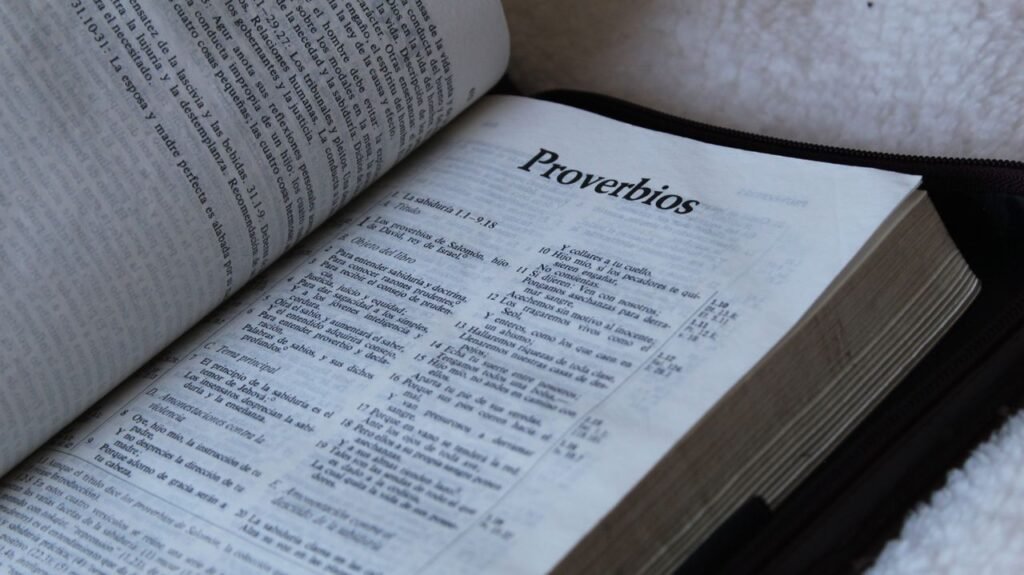
Proverbs 22:6 offers guidance for parents who want to raise their children according to God’s wisdom. It emphasizes the importance of teaching children the right path from an early age.
But does this verse promise that every child raised in a Christian home will remain faithful to God throughout life? What does it mean to train up a child in the way he should go?
In this article, we will explore the meaning of Proverbs 22:6, examine its biblical context, and discover how parents can apply its wisdom to family life today.
What Does Proverbs 22:6 Say?
Proverbs 22:6 (KJV) reads:
“Train up a child in the way he should go: and when he is old, he will not depart from it.”
This verse is one of the most familiar passages in the Bible about parenting and raising children.
Its central message is that childhood instruction matters. The values, habits, and beliefs children learn early in life can influence their decisions as they grow older.
The verse encourages parents and caregivers to guide children toward wisdom, righteousness, discipline, and faith in God.
However, understanding this proverb requires more than reading it as a simple promise. Proverbs is a book of biblical wisdom, offering principles for living wisely rather than guarantees that every situation will unfold in exactly the same way.
Proverbs 22:6 Meaning Explained
To understand this verse more clearly, let’s examine its key phrases.
1. “Train up a child”
The phrase “train up a child” refers to more than telling children what is right and wrong.
Training involves teaching, guiding, correcting, encouraging, and setting an example. It is an ongoing process through which children learn how to make decisions and develop their character.
Parents train children through everyday actions, including how they speak to others, respond to difficulties, handle responsibilities, and treat people who are different from them.
For Christian parents, this training also includes introducing children to Scripture, teaching them to pray, and helping them understand what it means to follow God.
The Bible emphasizes the importance of passing faith and wisdom from one generation to the next. Deuteronomy 6:6–7, for example, instructs God’s people to teach His commandments diligently to their children in the ordinary moments of daily life.
The lesson: Raising children well requires consistent guidance, not just occasional instructions.
2. “In the way he should go”
This phrase is often understood as teaching children to follow the path of righteousness and wisdom.
It includes helping them develop honesty, compassion, self-control, responsibility, and respect for others. In a Christian household, it also involves teaching them about God’s character and the principles found in the Bible.
Some interpreters understand the original Hebrew wording as emphasizing the child’s appropriate path or the way suited to that child. This interpretation highlights the importance of understanding a child’s abilities, temperament, and needs instead of treating every child exactly the same way.
Regardless of the interpretation, the verse points toward intentional guidance that helps children grow in wisdom.
For example, a naturally impulsive child may need patient help developing self-control. A shy child may need encouragement to speak confidently and develop healthy relationships.
Training children wisely means providing guidance that helps them grow rather than expecting them all to develop in identical ways.
The lesson: Guide children toward what is right while paying attention to their individual needs and stages of development.
3. “And when he is old”
This phrase points toward the lasting influence of childhood instruction.
The habits and values children learn early can remain important throughout adulthood. A child who grows up learning honesty may carry that value into relationships and professional life. A child who learns compassion may become an adult who treats others with kindness.
Likewise, children who grow up hearing Scripture and seeing faith practiced at home may carry those teachings into their adult lives.
However, children develop at different rates. Some embrace their upbringing early, while others question it or make different choices as adults.
The proverb encourages parents to recognize the long-term importance of their responsibility without assuming that they can control every future decision their children make.
The lesson: The influence of childhood teaching can continue long after children leave home.
4. “He will not depart from it”
This final phrase is often the most difficult part of Proverbs 22:6.
Some readers interpret it as a promise that a child who receives proper biblical instruction will never abandon the faith. When an adult child turns away from Christianity, this interpretation can leave parents feeling guilty or wondering whether they failed.
However, Proverbs belongs to biblical wisdom literature. Its sayings generally describe patterns of wise living and the consequences that often follow rather than guaranteeing a specific outcome in every individual case.
Children grow into adults with their own experiences, relationships, questions, and decisions. Parents can guide and influence them, but they cannot make every choice on their behalf.
The verse therefore encourages parents to take childhood instruction seriously. It should not be used to conclude automatically that every adult who leaves the faith must have been raised incorrectly.
The lesson: Teach children faithfully and consistently, while recognizing that they will eventually make their own choices.
The Biblical Context of Proverbs 22:6
Proverbs is a book of wisdom traditionally associated with Solomon and other contributors. It offers practical instruction about living with integrity, making wise decisions, avoiding destructive behavior, and honoring God.
Proverbs 22:6 appears in a section containing sayings about wisdom, humility, discipline, relationships, and responsible living.
Its message fits the broader theme of Proverbs: wise instruction helps shape a person’s life.
The book repeatedly emphasizes that wisdom should be taught, practiced, and passed from one generation to another. Parents and caregivers have an important role in helping children learn the difference between wise and foolish choices.
At the same time, Proverbs often describes how life generally works rather than presenting an unconditional guarantee for every circumstance.
For example, Proverbs teaches that diligence generally leads to better outcomes than laziness. That principle does not mean every hardworking person will become wealthy or that every person facing hardship has been lazy.
In the same way, Proverbs 22:6 teaches the value of early guidance without giving parents complete control over their children’s future.
Does Proverbs 22:6 Guarantee That Children Will Never Leave God?
No. The verse should not be treated as an unconditional guarantee that every child raised according to biblical principles will remain faithful throughout life.
This distinction matters because sincere Christian parents sometimes watch their adult children question their beliefs, stop attending church, or follow a different spiritual path.
Such experiences can be painful. Parents may wonder whether they prayed enough, taught enough Scripture, or made too many mistakes.
Proverbs 22:6 does not provide a formula that allows parents to control another person’s faith.
Other biblical passages recognize the reality of personal responsibility. Ezekiel 18:20, for example, emphasizes individual accountability, while Jesus’ parable of the prodigal son in Luke 15:11–32 illustrates a family relationship in which a son makes destructive choices and later returns.
These passages should not be treated as direct explanations of Proverbs 22:6, but they help readers recognize that Scripture addresses both the importance of guidance and the reality of personal decisions.
Parents are responsible for teaching, loving, correcting, and modeling faithfulness. They are not responsible for controlling every decision their children will make as adults.
What Does Proverbs 22:6 Teach Parents Today?
The wisdom of this verse remains relevant for families in every generation. Here are practical ways parents can apply its message.
1. Teach Children Through Your Own Example
Children learn not only from what parents say but also from what parents do.
If parents teach honesty but regularly lie, their actions may undermine their words. If they teach kindness but treat others with contempt, children may learn that kindness is only a rule to follow when convenient.
Christian parents can demonstrate faith through everyday choices, including apologizing after making mistakes, keeping promises, helping people in need, and speaking respectfully during disagreements.
No parent needs to be perfect. In fact, acknowledging mistakes can teach children important lessons about humility and responsibility.
2. Introduce Children to the Bible Early
Proverbs 22:6 encourages intentional instruction, and Scripture can be part of that process.
Parents can read short Bible stories with young children, discuss the meaning of familiar verses, and explain how biblical principles apply to daily situations.
For example, the story of the Good Samaritan in Luke 10:25–37 can introduce conversations about compassion. Joseph’s story in Genesis 37–50 can lead to discussions about forgiveness, perseverance, and trust.
The goal is not simply to help children memorize verses. It is to help them understand how biblical wisdom can shape their decisions.
3. Make Prayer Part of Family Life
Prayer can help families develop a habit of turning to God in gratitude, difficulty, and uncertainty.
Parents might pray with children before bedtime, offer thanks before meals, or pray together when facing a difficult situation.
These moments can teach children that faith is not limited to church services. It can be part of ordinary family life.
Keep prayer natural and age-appropriate. Encourage children to ask questions and express their feelings honestly.
4. Correct Children With Love and Consistency
Training children includes discipline, but discipline should not be confused with harshness.
Children need boundaries, reasonable consequences, and clear expectations. They also need to know that their parents love them even when they make mistakes.
When correcting a child, explain why a behavior is harmful and what a better choice would look like. Avoid humiliating or frightening children into obedience.
The goal is to help children develop wisdom and self-control, not simply to make them afraid of punishment.
5. Encourage Questions About Faith
As children grow older, they may ask difficult questions about God, the Bible, suffering, or Christian beliefs.
These questions do not necessarily mean they are rejecting their upbringing. They may be trying to understand what they have been taught.
Parents can respond by listening carefully, admitting when they do not know an answer, and exploring the question together through Scripture and thoughtful discussion.
A home where honest questions are welcomed can help children develop a more thoughtful and personally meaningful understanding of faith.
6. Teach Children to Treat Others With Compassion
Biblical wisdom is not limited to religious knowledge. It also shapes how people treat one another.
Teach children to respect others, care for people in need, speak truthfully, and recognize the dignity of every person.
Practical activities can reinforce these lessons. Families might volunteer together, help a neighbor, donate useful items, or write encouraging messages to people who feel lonely.
These experiences help children connect faith with everyday behavior.
7. Be Patient With the Process
Children do not develop mature judgment overnight.
They may forget lessons, repeat mistakes, question family rules, and struggle to practice the values they have been taught. Such experiences are part of growing up.
Parents should remain consistent while adjusting their guidance as children mature.
The aim is not to produce children who never make mistakes. It is to help them develop the wisdom, character, and confidence to make better choices over time.
How Does Proverbs 22:6 Apply When an Adult Child Walks Away From Faith?
This is one of the most emotionally difficult questions associated with the verse.
When an adult child stops attending church or no longer identifies as Christian, parents may feel sadness, confusion, or guilt. They may wonder whether Proverbs 22:6 means they failed in their responsibility.
It is important to remember that the verse emphasizes the significance of training, not a parent’s ability to control another person’s beliefs.
Consider these principles:
- Avoid assuming blame. A child’s adult decisions cannot automatically be attributed to a parent’s mistakes.
- Keep communication open. Listen to your child’s experiences and beliefs without turning every conversation into an argument.
- Continue showing love. Maintain a relationship built on care, respect, and honesty.
- Pray if prayer is part of your faith. Bring your concerns to God without treating prayer as a mechanism for controlling another person.
- Recognize personal responsibility. Adults make their own decisions, even when those decisions differ from the values they learned at home.
The parable of the prodigal son in Luke 15:11–32 offers a meaningful picture of a father who continues to welcome his returning son. Although the parable is not a direct commentary on Proverbs 22:6, it illustrates the importance of mercy, compassion, and restoration.
Parents can remain faithful to their own beliefs while treating adult children with dignity and love.
What Is the Difference Between Training and Controlling a Child?
Proverbs 22:6 calls for guidance, but guidance is not the same as control.
Training helps children develop the understanding and skills they need to make wise decisions. Controlling attempts to determine every decision for them, even when they are ready to exercise greater responsibility.
Healthy training involves setting age-appropriate boundaries, explaining expectations, encouraging responsibility, and allowing children to learn from reasonable mistakes.
As children mature, parents can gradually give them more opportunities to make decisions while continuing to offer support.
In a Christian family, the goal is not merely outward compliance. It is to help children understand the reasons behind their values and develop a sincere commitment to living wisely.
Related Bible Verses About Parenting and Teaching Children
Several other Scriptures complement the message of Proverbs 22:6.
Deuteronomy 6:6–7
This passage instructs God’s people to teach His commandments diligently to their children and to discuss them throughout everyday life.
It emphasizes that spiritual education is an ongoing part of family life rather than an occasional activity.
Ephesians 6:4
Paul instructs fathers not to provoke their children to anger but to bring them up with the Lord’s instruction and discipline.
This verse highlights the importance of combining guidance with care and consideration for children’s well-being.
Psalm 127:3
This psalm describes children as a gift from the Lord.
It encourages parents to view their children as precious responsibilities rather than possessions to control.
Colossians 3:21
This passage warns fathers against discouraging their children.
It reminds parents that their approach to discipline and expectations can affect their children’s confidence and emotional well-being.
2 Timothy 3:14–15
Paul reminds Timothy of the Scriptures he had learned from childhood.
This passage illustrates how early exposure to Scripture can contribute to spiritual understanding and wisdom.
Together, these passages emphasize the importance of teaching, modeling faith, providing loving discipline, and treating children with care.
A Short Prayer Inspired by Proverbs 22:6
Heavenly Father, give me wisdom and patience as I guide the children in my care. Help me teach them what is right through my words and actions. Give me the humility to acknowledge my mistakes and the strength to correct them with love. Help the children grow in wisdom, kindness, and faith. When I cannot control their choices, remind me to trust You and continue showing them love. In Jesus’ name, Amen.
Frequently Asked Questions About Proverbs 22:6
What is the main message of Proverbs 22:6?
The main message is that early instruction and guidance can have a lasting influence on a child’s life. Parents are encouraged to teach children wisdom, good character, and godly principles from an early age.
Does Proverbs 22:6 mean a child will never go astray?
Not necessarily. Proverbs 22:6 is best understood as a principle about the lasting influence of childhood training, not an unconditional guarantee that every child will make faithful choices throughout adulthood.
What does “train up a child in the way he should go” mean?
It means guiding children toward wisdom and responsible living through teaching, example, correction, encouragement, and consistent care. Christian parents may also understand it as teaching children to know God and follow biblical principles.
At what age should parents begin teaching children about God?
Parents can begin with simple, age-appropriate lessons from early childhood. Bible stories, short prayers, songs, and everyday examples of kindness can introduce children to faith in ways they can understand.
What should parents do if their child rejects Christianity?
Parents can listen respectfully, maintain an open relationship, continue modeling their beliefs, and avoid assuming that they alone are responsible for their child’s decisions. They can also seek support from trusted pastoral or family counselors if the situation becomes difficult.
Is Proverbs 22:6 a promise or a principle?
It is commonly understood as a wisdom principle. The book of Proverbs teaches patterns of wise living and their likely consequences, but its sayings should not always be interpreted as guarantees that every individual situation will unfold identically.
Conclusion: The Lasting Importance of Raising Children With Wisdom
Proverbs 22:6 reminds us that the lessons children receive early in life can shape their character, values, and decisions for years to come.
Parents have an important opportunity to teach wisdom through Scripture, prayer, loving discipline, honest conversations, and their own example.
Yet this verse also needs to be understood with care. It does not promise that parents can control every decision their children will make. Nor should it become a source of guilt for families whose children choose a different path.
The responsibility of parents is to guide faithfully, love consistently, and provide the foundation children need to grow in wisdom.
Ultimately, Proverbs 22:6 encourages parents to invest in their children’s character today while recognizing that each child will eventually make their own choices.