

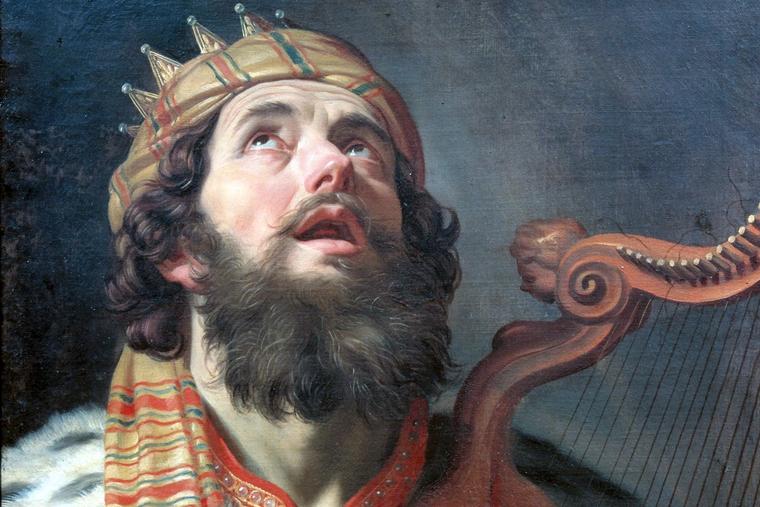
Few titles in the Bible are as striking as this one: “a man after God’s own heart.” It was used to describe David—a shepherd boy turned king who lived a life full of both deep faith and serious failure.
At first glance, it feels confusing. How could someone who made major mistakes still earn such a title from God?
The answer reveals something profound about what God truly values.
Where Does This Title Come From?
The phrase comes from 1 Samuel 13:14, where God rejects King Saul and chooses David instead. It is later echoed in Acts 13:22, where it says:
“I have found David son of Jesse, a man after my own heart; he will do everything I want him to do.”
This statement is not about perfection. It is about alignment.
David Was Deeply Devoted to God
David’s life shows a genuine love for God that went beyond rituals or appearances.
He wrote many of the Psalms—raw, emotional prayers filled with praise, fear, hope, and trust. Whether he was in victory or hiding in caves, David consistently turned to God first.
He didn’t just believe in God. He depended on Him.
David Was Quick to Repent
David made serious mistakes. His sin with Bathsheba and the arranged death of her husband is one of the darkest moments in the Bible.
But here is what set him apart.
When confronted by the prophet Nathan, David did not deny or justify his actions. He broke down, confessed, and repented deeply.
Psalm 51 shows his heart:
- No excuses
- No blame-shifting
- Just honest repentance
God values a heart that returns to Him quickly.
David Desired God’s Will Above His Own
David was not perfect in obedience, but his intention was clear. He wanted to follow God’s direction.
Whether going into battle or making decisions as king, David often sought God’s guidance first.
Even when he had opportunities to kill King Saul—his enemy—he refused. Why? Because he respected God’s authority.
That restraint speaks volumes about his heart.
David Had a Humble Heart
Despite becoming king, David never fully lost the posture of a servant.
He danced before the Lord without caring about public opinion. He acknowledged that everything he had came from God.
Humility kept his heart aligned, even when power could have corrupted him.
What Does “After God’s Own Heart” Really Mean?
It does not mean:
- Being sinless
- Always making the right choices
- Living a flawless life
It means:
- Seeking God sincerely
- Repenting genuinely when you fall
- Desiring God’s will over your own
David’s life proves that God looks at the direction of the heart, not just outward behavior.
Lessons We Can Learn Today
David’s story is deeply practical for modern life.
1. God values sincerity over perfection
You don’t need to be flawless. You need to be real.
2. Failure is not final
What matters is how you respond after you fall.
3. Stay connected to God daily
Through prayer, worship, and reflection.
4. Keep your heart soft
A hardened heart drifts away. A humble heart returns.
Conclusion
David was called a man after God’s own heart not because he was perfect, but because he was pursuing God consistently, even through failure.
His life is both a warning and an encouragement.
You can mess up. You can fall short. But if your heart keeps turning back to God, you are still on the right path.