

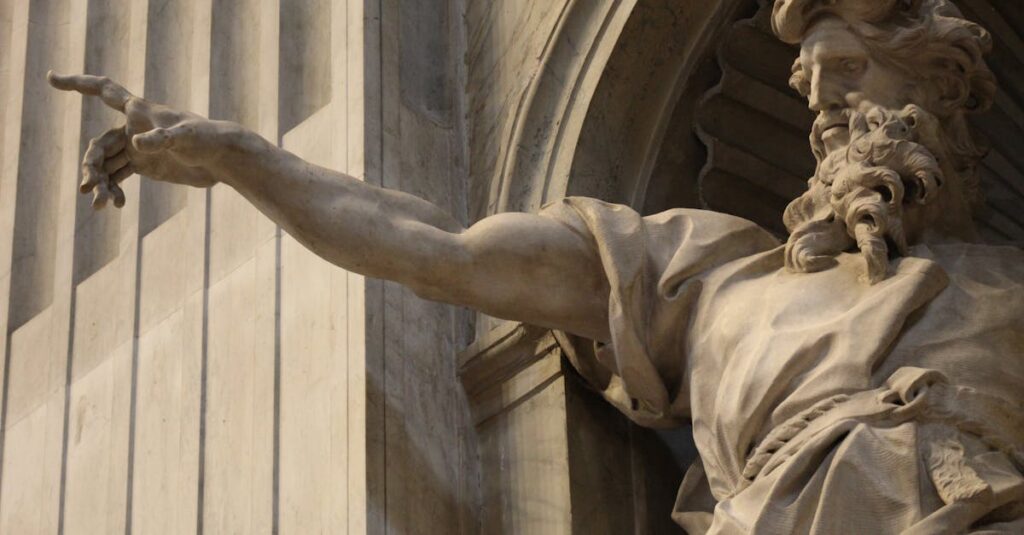
Few stories in the Bible feel as surprising and emotional as this one. Moses, the chosen servant of God, the deliverer of Israel, and the man who spoke with God face to face, never entered the Promised Land.
After leading the Israelites out of slavery, enduring their complaints, and guiding them for forty years, this outcome feels unexpected.
Why would God allow Moses to come so far, only to stop him at the edge?
The answer is not simple, but it is deeply meaningful. It reveals powerful truths about obedience, leadership, and the holiness of God.
Background: Moses and the Journey to the Promised Land
Moses’ life was marked by calling, sacrifice, and responsibility. From the burning bush to the crossing of the Red Sea, he was the central human figure in Israel’s journey.
God used him to:
- Deliver the Israelites from Egypt
- Give the Law on Mount Sinai
- Guide the nation through the wilderness
The destination was Canaan, the land promised generations earlier. Moses carried that promise in his heart for decades.
But near the end of the journey, a single moment changed his future.
The Incident at Meribah
The turning point is recorded in Numbers 20:1–13.
The Israelites were once again complaining, this time about the lack of water. This was not the first time they had doubted God, and Moses had already endured years of similar complaints.
God gave Moses a clear instruction. He told him to take his staff and speak to the rock, and water would come out for the people.
Instead, Moses reacted out of frustration. He spoke harshly to the people and then struck the rock twice with his staff.
Water still flowed. The need was met. But something had gone wrong in the process.
Why Moses Was Not Allowed to Enter the Promised Land
1. He Disobeyed a Direct Command
God’s instruction was simple. Speak to the rock.
Moses struck it instead.
This was not a misunderstanding. It was a deliberate action driven by emotion rather than obedience. In Scripture, obedience is not just about outcomes, but about following God’s word exactly as given.
2. He Acted in Anger Instead of Faith
Moses said to the people, “Must we bring you water out of this rock?”
His words revealed frustration and anger. After years of pressure, Moses reached a breaking point.
But in that moment, he allowed emotion to take control. Instead of reflecting God’s patience, he displayed human irritation.
3. He Misrepresented God’s Character
God wanted to show His provision and grace. The miracle was meant to demonstrate His faithfulness.
However, Moses’ tone and actions made it seem as if God was angry and impatient.
As a leader, Moses represented God before the people. His behavior gave the wrong image of who God is.
4. He Did Not Honor God as Holy
In Numbers 20:12, God says Moses did not uphold Him as holy in the sight of the Israelites.
This is a key reason.
To treat God as holy means to trust Him fully, obey Him completely, and reflect Him accurately. Moses failed in that moment.
5. Greater Responsibility Brings Greater Accountability
Moses was not an ordinary person. He was the leader of an entire nation and had a unique relationship with God.
Because of this, his actions carried greater weight.
What might seem like a small mistake had serious consequences because of the position he held.
Moses Sees the Promised Land but Does Not Enter
Although Moses was not allowed to enter Canaan, God did not abandon him.
In Deuteronomy 34, God brings Moses to Mount Nebo and shows him the entire land.
Moses sees the fulfillment of the promise from a distance.
After this, Moses dies, and leadership passes to Joshua, who leads the Israelites into the Promised Land.
Was God Being Too Harsh?
This question naturally arises.
From a human perspective, it may seem severe. Moses devoted his entire life to God’s mission.
But Scripture shows that God’s judgment is always just and purposeful.
Moses was still honored by God:
- He is remembered as one of the greatest prophets
- He spoke with God in a unique way
- He appears later in the New Testament during the Transfiguration of Jesus
This was not a rejection of Moses as a person. It was a consequence tied to a specific act of disobedience.
Deeper Spiritual Meaning
There is also a symbolic layer to this story.
Moses represents the Law, and the Law cannot bring people into the fullness of God’s promise. That role is fulfilled by Joshua, whose name is closely related to Jesus.
This points forward to a greater truth. Salvation and fulfillment come not through the Law alone, but through God’s grace.
Lessons for Our Lives
Obedience Is Not Optional
God values obedience in both small and big things. Even a slight deviation matters when it comes to His instructions.
Control Your Emotions
Moses’ failure came in a moment of anger. This reminds us how important it is to stay grounded, especially under pressure.
Leadership Requires Integrity
If you influence others, your actions reflect more than just yourself. They shape how people see God.
God Is Holy and Just
God’s love does not remove His standards. He is patient and merciful, but also righteous.
Faith Must Remain Consistent
Even after years of faithfulness, one moment of doubt or frustration can have consequences. We are called to stay faithful until the end.
Conclusion
Moses did not enter the Promised Land because he disobeyed God and failed to honor Him as holy in a critical moment.
His story is both sobering and inspiring.
It reminds us that no one is above accountability, but also that God’s grace continues even when we fall short.
Moses may not have stepped into the Promised Land, but his life remains a powerful testimony of faith, leadership, and devotion.
Read More:
What Kind of Leader Was Moses?
10 Powerful Lessons from the Life of Moses
Moses vs Pharaoh Full Story – Exodus Explained Simply
Moses 40 Years in the Wilderness Explained – Biblical Meaning