

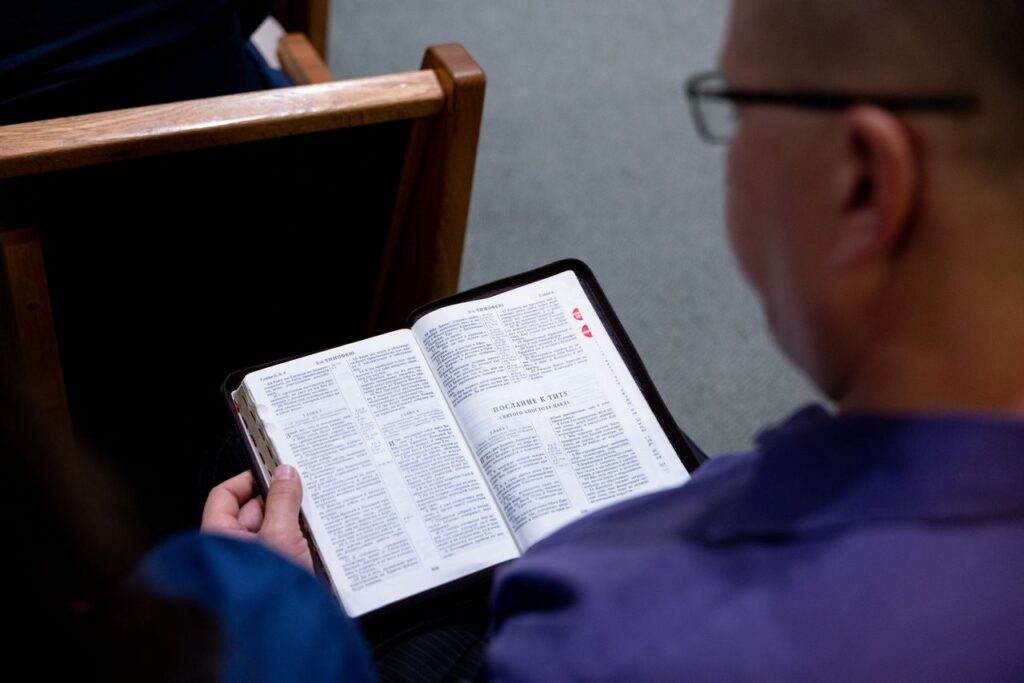
A particular sadness comes from missing the faith you once had.
Moreover, this raises the question: Can You Lose Faith and Come Back?
You remember how you used to pray. You remember believing that God was listening, even when you could not see what He was doing. Perhaps you once turned to the Bible whenever life became difficult.
Now, things feel different.
You have questions you cannot answer. Maybe you have been disappointed by something that happened in your life. Maybe you stopped believing gradually, without any particular moment when everything changed.
And now, you find yourself wondering whether you can ever go back.
Can you lose faith and come back to God? Can you rebuild a relationship with Him after years of doubt? What if you are no longer sure that you believe?
If these questions sound familiar, take a moment before judging yourself.
You are not required to have your entire spiritual life figured out before you can begin exploring these questions.
The Bible speaks about wandering, failure, doubt, repentance, and restoration. Your questions deserve an honest response, not shame.
When You No Longer Believe the Way You Used To
Losing faith does not always happen suddenly.
Sometimes, it begins with a prayer that seems to go unanswered.
You ask God to heal someone you love, but their condition does not improve. You pray for financial relief, yet the pressure continues. You ask for guidance, but the decision in front of you becomes even more confusing.
Eventually, you begin asking questions.
Why would God allow this? Does prayer really make a difference? Have I misunderstood everything I was taught?
For other people, the change comes through learning. They encounter new ideas, study difficult passages in the Bible, or discover arguments that challenge their beliefs.
And sometimes, faith simply fades into the background. Life gets busy. Prayer becomes less frequent. Church attendance stops. Years pass before you realize how distant you feel from something that once mattered deeply.
These experiences are not identical, and there is no single explanation for every person’s loss of faith.
But they share one thing: they can leave you uncertain about what comes next.
If you want to return to faith, begin by understanding what changed. You do not have to dismiss your questions or pretend that your experiences did not affect you.
You can take them seriously while remaining open to discovering what you believe now.
The Bible Has Something to Say About Can You Lose Faith and Come Back
One of the most comforting stories Jesus told was about a son who left home.
In Luke 15:11–32, a younger son asks his father for his inheritance and leaves to live independently. He eventually wastes his money and finds himself in desperate circumstances.
When he recognizes his situation, he decides to return home.
He expects to approach his father as someone who has failed. But while the son is still far away, his father sees him, runs toward him, embraces him, and welcomes him home.
This is the parable of the prodigal son.
Jesus told this story in a context that emphasizes God’s concern for those who are lost and the joy associated with repentance.
The son does not return because he has achieved perfection. He returns because he recognizes his situation and decides to come home.
Although the parable is not specifically about losing religious belief, it offers a powerful picture of repentance, mercy, and restoration.
Perhaps you have spent years away from God.
Perhaps you have made decisions you regret, abandoned religious practices, or become uncertain about what you believe.
You might feel that you need to repair yourself before you can even think about returning.
But the parable invites you to consider another possibility: you can begin by acknowledging where you are and deciding whether you want to turn toward God again.
You do not have to rewrite your past before you can explore your future.
What If You Lost Faith Because You Were Hurt?
For some people, losing faith is closely connected to suffering.
Perhaps you prayed for a loved one who died. Perhaps someone in your church betrayed your trust. Maybe you experienced something painful and could not reconcile it with what you had been taught about God’s goodness.
You may have tried to suppress your questions because you were told that strong Christians should never doubt.
But the questions remained.
If this is your experience, you do not need to minimize your pain to explore Christianity again.
The book of Job tells the story of a man who experiences devastating losses and struggles to understand his suffering. The Psalms also contain prayers of grief, fear, and frustration.
Psalm 13 begins with David asking how long God will seem to forget him.
These passages do not answer every question about why suffering occurs. They do show that the Bible makes room for people who experience anguish and seek understanding.
If pain caused you to lose faith, consider what you need to address before trying to rebuild your spiritual habits.
You may need to grieve. You may need to talk through an experience that hurt you. You may need to reconsider explanations you were given about suffering.
You can also seek help from someone who will listen carefully instead of dismissing your concerns.
You do not have to pretend that nothing hurt you in order to explore whether faith can become meaningful again.
Three People in the Bible Who Can Teach Us About Faith and Failure
The Bible contains several stories that offer different perspectives on doubt, failure, and restoration.
Peter: Failure Does Not Have to Define You
Peter was one of Jesus’ closest disciples. Yet, when Jesus was arrested, Peter denied knowing Him three times.
Luke 22:54–62 describes Peter’s denial and his bitter grief afterward.
But Peter’s story did not end there. In John 21, the risen Jesus speaks with him and gives him a renewed responsibility among His followers.
Peter’s experience illustrates that a serious failure does not necessarily have to determine the rest of a person’s life.
Thomas: Questions Can Be Part of the Journey
In John 20:24–29, Thomas struggles to believe the other disciples’ testimony that Jesus has risen from the dead.
He wants evidence before accepting their claim.
When Jesus appears to Thomas, the encounter becomes a turning point in the story.
Thomas’s experience does not guarantee that every question will receive an immediate answer. It does remind readers that doubt is explicitly acknowledged in the biblical account.
The Prodigal Son: Returning Begins With a Decision
The younger son in Luke 15 does not wait until his circumstances are perfect before returning home.
He recognizes where he is and decides to go back to his father.
His story emphasizes the possibility of returning after a period of separation.
Together, these accounts offer encouragement to people who feel that failure, uncertainty, or distance has become the defining feature of their spiritual lives.
How to Begin Finding Your Faith Again
You do not have to make a dramatic promise or change your entire routine overnight.
Start with a few manageable steps.
First, identify your questions. Write down what made you doubt God or stop believing. Try to distinguish emotional pain from intellectual questions, even if both are present.
Second, return to the Gospels. Read the life and teachings of Jesus in John or Luke. Take your time, examine the context, and write down passages you find difficult.
Third, be honest about prayer. If you want to pray, begin with the truth: “God, I am not sure what I believe anymore, but I want to understand.”
Fourth, seek thoughtful conversations. Speak with a mature Christian, pastor, or knowledgeable person who respects sincere questions. If you are investigating historical or philosophical concerns, explore credible sources that address them carefully.
Finally, give yourself time. Some questions may become clearer quickly, while others may require sustained reflection. Do not demand immediate certainty as proof that you are making progress.
These steps will not guarantee a particular outcome, but they can help you explore your beliefs with greater honesty and care.
A Short Prayer for Someone Who Wants to Return to God
If you want to reconnect with God but do not know how to begin, you can use this prayer as a starting point.
Heavenly Father,
I am not sure where I stand with You anymore.
There was a time when I believed more easily, but my experiences and questions have changed the way I see things. I do not want to pretend that I have answers when I do not.
Help me understand what I believe and why. Give me the courage to face the things that hurt me and the wisdom to examine the questions that trouble me.
Guide me toward truth. Help me find people who will listen with compassion and encourage me to think carefully.
If I choose to rebuild my faith, help me approach that journey honestly, patiently, and with an open heart.
Show me the next step I can take.
In Jesus’ name, Amen.
Frequently Asked Questions
Can you lose faith and come back to God?
Yes. Some people who experience a loss of faith or religious confidence later return to Christianity. Others develop a different understanding of their beliefs. The Bible contains stories of failure, doubt, repentance, and restoration that many Christians find encouraging.
Will God take me back if I have stopped believing?
Christianity teaches that God offers mercy and forgiveness to those who sincerely turn toward Him. If you want to explore returning to Christian faith, you can begin by examining your beliefs, reading Scripture, and seeking thoughtful guidance.
How do I reconnect with God after years away?
Start with small steps, such as reading a Gospel, reflecting on a Psalm, or writing down your questions. If you are comfortable doing so, talk to a trusted Christian who can help you explore your concerns without shaming you.
Is losing faith the same as committing a sin?
Experiencing doubt, asking questions, and deliberately rejecting religious belief are not necessarily the same thing. Christian traditions differ in how they discuss faith and doubt, so it can be helpful to explore the biblical context and speak with a knowledgeable, trusted spiritual adviser.
What Bible verse should I read when I want to return to God?
James 4:8 encourages readers to draw near to God. Luke 15:11–32 tells the story of the prodigal son, while John 21:15–19 describes Jesus’ conversation with Peter after Peter’s denial.
You Do Not Have to Stay Where You Are
Maybe you miss the person you were when faith felt simple.
Maybe you are angry about what happened. Maybe you are still uncertain about whether you believe in God at all.
You do not have to resolve every one of those feelings today.
Start by being honest about your questions. Explore the life of Jesus. Take your doubts seriously. Seek answers from reliable sources and speak with people who respect your search for understanding.
If you decide that you want to return to Christianity, you can begin with a small step rather than waiting for a dramatic transformation.
The prodigal son began his journey home while his circumstances were still difficult. Peter’s failure was not the final chapter of his story. Thomas’s questions were not omitted from the biblical account.
Their stories do not promise that everyone’s journey will unfold in the same way. They remind us that failure and uncertainty need not prevent someone from exploring restoration.
You are not required to pretend that you never lost your faith. You can face the truth about your journey and still consider the possibility of finding your way back.
Read More:
Powerful Ways to Overcome Faith Doubt
How to Trust God When Nothing Makes Sense: An Essential Guide