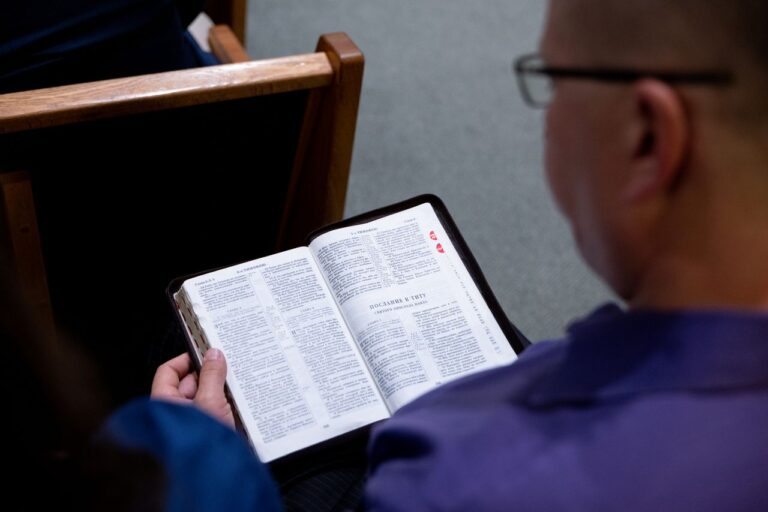


How to Overcome Doubt in Faith
Have you prayed to God, waited for answer, and wondered how to overcome doubt in faith, if He hears you?
Perhaps you have asked God to change something in your life, but nothing seems to be happening. Maybe you have watched people suffer, experienced disappointment, or struggled with questions that nobody around you seems able to answer.
And somewhere along the way, a troubling thought entered your mind: What if my faith is not as strong as I thought it was?
If you have experienced this, you are not alone.
Even sincere Christians experience seasons of doubt. Sometimes, we struggle to understand God’s plans. Other times, our circumstances make it difficult to believe that He is working in our lives.
But having doubts does not automatically mean you have lost your faith.
Learning how to overcome doubt in faith is not about pretending you never have questions. It is about learning to seek God honestly, even when you do not understand everything.
The Bible offers encouragement and practical wisdom for those who want to trust God again. Here are seven biblical ways to begin strengthening your faith.
1. Be Honest With God About Your Doubts
The first step toward overcoming doubt is to stop pretending that everything is fine.
Sometimes, Christians feel guilty about questioning God. They believe that admitting uncertainty means they are failing spiritually. As a result, they hide their struggles and continue carrying their questions alone.
But the Bible gives us examples of people who spoke honestly to God about their struggles.
In Mark 9:24, a desperate father cried out to Jesus:
“Lord, I believe; help thou mine unbelief.”
This short prayer contains a powerful lesson. The man wanted to believe, but he also recognized that his faith was struggling. Instead of hiding that struggle, he brought it directly to Jesus.
You can do the same.
Tell God when you feel disappointed. Tell Him when you are afraid. Tell Him when you cannot understand why your prayers seem unanswered.
You do not need to manufacture perfect words or pretend to possess perfect faith.
Sometimes, the most honest prayer is simply, “God, I want to trust You, but I am struggling. Please help me.”
Honesty is a better starting point than pretending your doubts do not exist.
2. Read the Bible Even When Your Faith Feels Weak
When doubt enters your life, it can become tempting to withdraw from the very things that once strengthened your faith.
You may stop praying regularly. You may leave your Bible unopened for weeks. You may avoid thinking about spiritual questions because they feel too difficult.
Unfortunately, avoiding your questions rarely helps you understand them.
Try returning to Scripture with an open mind and a willingness to learn.
Start with the Gospel of John to explore the life and teachings of Jesus. Read the Psalms when you need words for your pain. Study the book of Job when you are struggling to understand suffering.
Psalm 119:105 says:
“Thy word is a lamp unto my feet, and a light unto my path.”
Notice that a lamp does not illuminate an entire journey at once. It provides enough light to help you take the next step.
Your understanding of God may grow in the same way. You might not find answers to every question immediately, but Scripture can help you reflect on God’s character, His promises, and the meaning of faith.
Read slowly. Ask questions. Examine the context of difficult passages instead of forcing yourself to accept explanations that do not make sense to you.
The goal is not to silence your doubts. It is to seek understanding while remaining open to God’s truth.
3. Remember What God Has Already Brought You Through
When life becomes difficult, our attention naturally shifts toward what is going wrong.
A financial problem can make us forget previous blessings. A painful relationship can overshadow years of happiness. An unanswered prayer can make us question whether God has ever helped us.
In difficult seasons, it can be helpful to remember the moments when you experienced encouragement, received unexpected help, or found strength to endure something you once thought impossible.
In Psalm 77:11, the psalmist speaks about remembering the works of the Lord.
Remembering does not mean ignoring your present pain or assuming that God will repeat a previous experience in exactly the same way.
Instead, it gives you an opportunity to reflect on your journey with greater perspective.
Try keeping a simple journal. Write down prayers, significant experiences, lessons you have learned, and moments of gratitude.
When doubt returns, revisit those notes.
You may still have unanswered questions, but you will also have a fuller picture of your life than the painful moment immediately in front of you.
4. Stop Measuring God’s Love by Your Circumstances
One of the greatest challenges to faith is suffering.
You pray for healing, but someone you love remains sick. You ask God for financial help, but your situation becomes more difficult. You try to do the right thing, yet life does not unfold as you hoped.
It is understandable to ask why a loving God would allow such things to happen.
The Bible does not promise that Christians will never experience suffering. In John 16:33, Jesus acknowledges that His followers will face trouble while also offering them encouragement in Him.
This matters because difficult circumstances do not automatically prove that God has abandoned you.
At the same time, you do not need to pretend that suffering is easy or that every painful event has an explanation you can understand.
The story of Job shows a faithful man struggling with devastating loss and searching for answers. His story reminds us that suffering can raise difficult questions about justice, faith, and God’s purposes.
When you are hurting, allow yourself to grieve. Seek support from people you trust. Continue exploring your questions without assuming that your pain makes you unworthy of God’s love.
You may not understand everything happening in your life today.
But you do not have to reach a complete explanation of your circumstances before you can continue seeking God.
5. Pray Even When You Do Not Feel God’s Presence
Have you ever tried to pray but felt as though your words were disappearing into silence?
You close your eyes, speak to God, and wait. Yet nothing changes. You do not experience the peace you hoped for, and you begin wondering whether your prayers matter.
These moments can make faith feel exhausting.
However, prayer is not simply a way to obtain immediate answers or produce a particular emotional experience. It can also be a way to express your fears, examine your heart, seek wisdom, and remain connected to your faith.
In Psalm 13, David asks how long God will seem to forget him. His words reveal the anguish of someone who feels abandoned.
Yet David continues addressing God.
His example reminds us that prayer does not have to sound cheerful to be sincere.
If you do not know what to say, keep it simple.
Tell God what happened during your day. Ask for wisdom about a difficult decision. Pray for someone you love. Admit that you are struggling to believe.
You can begin with just five minutes.
Do not judge the value of your prayer solely by how you feel afterward. Emotions change, and spiritual growth does not always come with an immediate sense of peace.
Keep seeking, even when the experience feels ordinary.
6. Surround Yourself With People Who Strengthen Your Faith
Faith can become difficult to sustain when you feel that you must face every question alone.
Perhaps you are afraid to tell your church friends that you have doubts. Maybe you worry that your questions will be misunderstood or that someone will judge you for struggling.
But you do not have to navigate every spiritual difficulty by yourself.
Look for mature Christians who are willing to listen carefully, discuss Scripture thoughtfully, and acknowledge when they do not have all the answers.
Hebrews 10:24–25 encourages believers to motivate one another toward love and good works and to continue meeting together.
Healthy Christian community can offer encouragement during difficult seasons. It can also introduce you to perspectives, experiences, and resources that help you think more clearly about your faith.
Choose your influences carefully, too.
If you spend much of your time consuming content designed to provoke anger or ridicule religious belief, consider balancing it with thoughtful discussions, reliable scholarship, and constructive conversations with people who understand Christianity.
You should not avoid difficult arguments simply because they challenge your beliefs. Instead, explore them carefully and seek credible answers.
The right community will not demand that you hide every question. It will help you work through those questions with wisdom, patience, and honesty.
7. Take Small Steps Instead of Waiting for Perfect Faith
One common mistake people make when struggling with doubt is believing they must feel completely confident before they can move forward.
They wait until prayer feels natural again. They wait until every theological question has been answered. They wait until they no longer feel afraid.
But that perfect moment may not arrive as quickly as they hope.
Faith often involves taking the next meaningful step without having complete certainty about everything ahead.
James 1:5 encourages those who lack wisdom to ask God for it.
You can begin by asking for wisdom about one situation that troubles you. Read a short passage of Scripture. Reach out to a trusted friend. Make time for quiet reflection.
If you have questions about Christianity, set aside time to investigate them rather than allowing them to become an endless source of anxiety.
Small, consistent actions can help you build a more thoughtful and sustainable spiritual life.
Do not compare your progress with someone else’s. Your journey may look different from theirs.
You do not have to solve every question about God today. You only need to decide what honest, meaningful step you can take next.
Bible Verses to Read When You Doubt Your Faith
If you are looking for encouragement during a difficult season, these Bible verses are worth studying and reflecting on.
- Mark 9:24: A father’s honest request for Jesus to help his unbelief.
- Proverbs 3:5–6: An invitation to trust in the Lord rather than relying entirely on your own understanding.
- Psalm 13: David’s prayer during a season when God seems distant.
- James 1:5: Encouragement to ask God for wisdom.
- Isaiah 41:10: God’s words of encouragement to His people in the midst of fear.
- John 16:33: Jesus acknowledges trouble in the world while offering encouragement.
- Romans 8:38–39: Paul’s assurance that neither death nor life nor other powers can separate believers from the love of God in Christ Jesus.
Take time to read each passage in context. Consider what it meant to its original audience and how its message relates to the questions you are facing today.
You do not need to rush through these verses. Choose one, reflect on it, and write down what you learn.
A Prayer to Overcome Doubt in Faith
If you are struggling to trust God, you can use this prayer as a starting point.
Heavenly Father,
I come before You with an honest heart. I want to trust You, but sometimes my questions, fears, and disappointments make faith difficult.
There are things happening in my life that I do not understand. There are prayers I have repeated and answers I am still waiting for. Sometimes, I feel close to You. Other times, I wonder whether You hear me at all.
Please give me wisdom to seek the truth, courage to face my questions, and patience when I cannot understand Your ways.
Help me remember the things I have learned about You. Guide me toward people who can encourage me and help me grow. Teach me to pray honestly rather than pretending that I have everything figured out.
When I feel weak, help me take the next step. When I feel afraid, remind me that I can bring my fears before You.
I do not ask to understand everything today. I ask for the wisdom and strength to continue seeking You.
In Jesus’ name, Amen.
Frequently Asked Questions
Is it normal to have doubts about your faith?
Yes. Many Christians experience questions and uncertainty about God, suffering, prayer, and Scripture. Experiencing doubt does not automatically mean you have lost your faith. It can be an opportunity to examine your beliefs and seek a deeper understanding.
How do I trust God when everything is going wrong?
Start by being honest about your pain instead of pretending that everything is fine. Pray, reflect on Scripture, seek support from trusted people, and focus on what you can do today. Trust does not require you to understand every painful experience or deny your emotions.
What Bible verse helps with doubt?
Mark 9:24 is particularly relevant: “Lord, I believe; help thou mine unbelief.” It expresses the struggle of someone who wants to believe but recognizes his uncertainty. Psalm 13 is also helpful for those who feel distant from God.
Can prayer help overcome doubt?
Prayer can help you express your concerns, seek wisdom, and reflect on your relationship with God. It does not guarantee that every question will receive an immediate answer, but honest prayer can be a meaningful part of working through spiritual uncertainty.
How long does it take to overcome doubt in faith?
There is no fixed timeline. Some questions may become clearer after a conversation or a period of study, while others may take much longer. Be patient with yourself, seek reliable guidance, and focus on making steady progress rather than demanding immediate certainty.
Final Thoughts
If you are struggling with doubt today, remember that you do not have to hide your questions or pretend to possess a faith that never wavers.
You can seek God while feeling uncertain. You can pray while waiting for answers. You can read the Bible while wrestling with difficult passages.
The father in Mark 9 did not claim to have perfect faith. He asked Jesus for help precisely because he recognized his struggle.
His prayer offers a simple reminder for anyone who wants to believe but finds belief difficult.
You do not need to have everything figured out before you begin again.
Take your questions seriously. Seek truth with an open mind. Surround yourself with people who encourage thoughtful faith. And give yourself the time you need to work through what you are experiencing.
There may be days when your faith feels strong and others when it feels fragile. Do not let one difficult season define your entire spiritual journey.
Keep seeking, keep asking, and keep taking the next step. Your questions do not have to be the end of your journey with God. They can become the beginning of a more honest search for truth.
Read More:
How to Trust God When Nothing Makes Sense: An Essential Guide
How to Strengthen Your Faith When It Feels Weak