

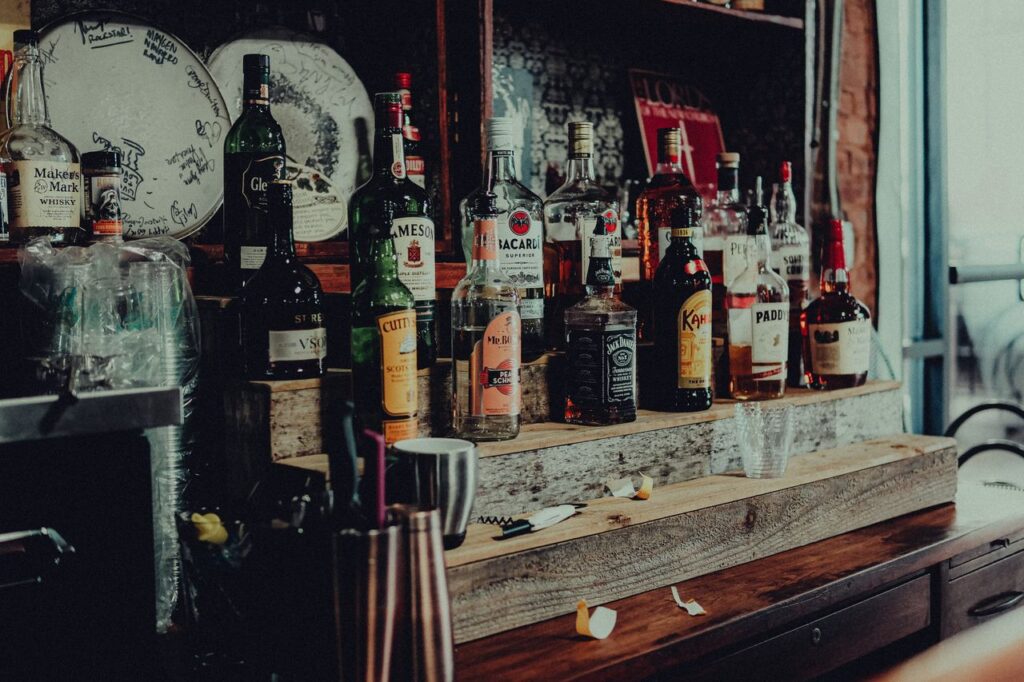
Many Christians have wondered whether Is Drinking Alcohol a Sin is displeasing to God. However, a glass of wine with dinner is not necessarily sinful, and beer is not necessarily prohibited. Moreover, does the Bible require believers to avoid alcohol completely?
Additionally, these questions deserve a thoughtful answer because the Bible contains both references to wine and strong warnings about drunkenness.
Some Christians believe that complete abstinence is the safest and most faithful choice.
Moreover, others believe that drinking in moderation is permissible, provided it does not lead to intoxication, addiction, or harmful behavior.
To understand the biblical perspective, it helps to examine what Scripture actually teaches rather than relying on assumptions or taking individual verses out of context.
The Difference Between Drinking Alcohol and Getting Drunk
One of the most important passages on this subject is Ephesians 5:18.
Ephesians 5:18 (KJV) says:
“And be not drunk with wine, wherein is excess; but be filled with the Spirit.”
Notice that the verse specifically warns against drunkenness. Paul contrasts being controlled by wine with being filled with the Spirit.
Drunkenness can affect judgment, weaken self-control, and lead people toward decisions they would not otherwise make.
It can also damage families, friendships, and personal responsibilities (Is Drinking Alcohol a Sin).
The Bible repeatedly encourages believers to live with wisdom and self-discipline.
Moreover, Is Drinking Alcohol a Sin is relevant when alcohol controls behavior instead of voluntary abstinence.
This is why many Christians distinguish between consuming alcohol and becoming intoxicated.
However, Christians who believe all drinking is wrong may interpret the broader biblical warnings as a reason to avoid alcohol entirely.
What Happened When Jesus Turned Water Into Wine?
One of the strongest passages discussed in debates about alcohol appears in John 2:1-11.
Jesus attended a wedding in Cana, where the wine ran out. He then performed a miracle by turning water into wine.
This account is significant because it does not portray Jesus as condemning every use of wine. However, it should not be treated as permission for drunkenness or as a command for Christians to drink.
Some Christians also debate the alcoholic strength of wine in biblical times and how that compares with modern alcoholic beverages.
The central point is that the Bible contains accounts of wine being used in ordinary social settings, while separately warning against excessive drinking and intoxication.
Five Bible Verses That Warn Against Alcohol Abuse
Scripture offers several warnings about drinking habits that can lead to destructive consequences.
1. Proverbs 20:1: Alcohol Can Lead to Foolish Decisions
“Wine is a mocker, strong drink is raging: and whosoever is deceived thereby is not wise.” (KJV)
This proverb warns that alcohol can mislead people and encourage behavior that lacks wisdom.
A person may believe they are in control while their judgment is becoming impaired. The verse encourages believers to recognize the risks rather than underestimate them.
2. Proverbs 23:29-30: Excessive Drinking Brings Trouble
This passage asks who experiences sorrow, conflict, and wounds before describing those who linger over wine.
The message is a warning against drinking habits that repeatedly produce suffering and regret.
When alcohol becomes associated with arguments, injuries, or persistent problems, it is time to take those consequences seriously.
3. Galatians 5:22-23: Self-Control Is a Fruit of the Spirit
Paul lists self-control among the qualities associated with a life guided by the Holy Spirit.
Christians can apply this principle to alcohol by asking whether their habits reflect discipline or whether drinking has become difficult to resist.
Self-control also means being willing to walk away from something that is harmful, even when other people consider it normal.
4. Isaiah 5:11: Do Not Make Drinking the Center of Life
Isaiah warns against those who pursue strong drink from early morning until late at night.
The passage criticizes a life dominated by alcohol and pleasure while neglecting God and His purposes.
Its message extends beyond one particular drink. It challenges people to examine what occupies their attention and directs their priorities.
5. 1 Corinthians 6:12: Do Not Become a Slave to Anything
“All things are lawful unto me, but I will not be brought under the power of any.” (KJV)
Paul teaches that freedom should not become an excuse for allowing something to dominate your life.
Applied to alcohol, this verse raises an important question: Can you comfortably choose not to drink, or do you feel compelled to continue?
If alcohol repeatedly takes priority over health, relationships, finances, or responsibilities, the issue is more serious than whether an individual drink is permissible.
Does the Bible Say Moderate Drinking Is Acceptable?
The Bible does not provide a universal numerical limit for moderate drinking. Christians therefore disagree about whether alcohol should be avoided completely or may be consumed in moderation.
Some believers point to passages such as 1 Timothy 5:23, where Paul advises Timothy to use a little wine for his stomach’s sake and frequent infirmities.
Others emphasize the many warnings about wine, strong drink, and the dangers of intoxication. They conclude that abstinence is the wiser Christian choice.
Here are two common Christian perspectives:
The abstinence perspective: Christians should avoid alcohol because it can lead to temptation, dependence, impaired judgment, and harm. Some churches teach abstinence as a religious conviction.
The moderation perspective: Drinking alcohol is not automatically sinful, but drunkenness, addiction, irresponsible behavior, and harm to others are incompatible with biblical principles.
These positions reflect different interpretations and applications of Scripture. Christians should avoid presenting their own conclusion as though every Christian tradition agrees with it.
It is also important to understand that moderate drinking is not risk-free. Alcohol carries health risks, and some people should avoid it entirely.
Is Drinking Alcohol a Sin if You Are a Christian?
Rather than making the decision based only on what other people do, Christians can examine their choices through several biblical principles.
Your conscience matters. Romans 14:23 teaches the importance of acting from faith rather than violating one’s convictions. If drinking troubles your conscience, you do not need to drink.
Your actions affect other people. Romans 14:21 encourages believers to avoid conduct that could cause another person to stumble. For example, a Christian may choose not to drink around someone recovering from alcohol dependence.
Your priorities matter. If drinking interferes with prayer, family life, work, financial stability, or other responsibilities, it deserves serious attention.
Your freedom should not become dependence. A person who cannot comfortably stop drinking may need to consider whether alcohol has gained too much influence over their life.
These principles do not replace Scripture. They help Christians apply its teachings to real-life decisions.
What About Drinking Beer or Wine at a Party?
Social drinking raises a practical question: Is it wrong to have a drink at a wedding, dinner, or celebration?
Christians answer differently depending on their interpretation of the Bible and their personal convictions.
Some participate in social drinking without becoming intoxicated. Others abstain because they believe it is best for their spiritual life or because alcohol has caused difficulties in their families.
Neither group should pressure the other to participate.
A Christian who abstains can politely decline a drink without feeling embarrassed. A Christian who believes moderate drinking is permissible should still consider the setting, the effect on others, and the possibility of harm.
Social pressure is not a good reason to begin drinking, and the desire to fit in should never take priority over personal convictions.
Can Drinking Alcohol Become a Sin Even If You Start Moderately?
Yes, drinking can become part of a sinful pattern when it leads to drunkenness, neglect of responsibilities, harmful behavior, or a loss of self-control.
Consider someone who initially drinks occasionally but gradually begins drinking every night. They may start neglecting their family, spending money irresponsibly, or becoming aggressive when intoxicated.
The problem is no longer simply the presence of alcohol. It is the way drinking has begun to influence their decisions and harm their life.
The Bible’s warnings about drunkenness and self-control are relevant to these situations.
If you notice that you regularly drink more than intended, hide your drinking, experience cravings, or struggle to stop, consider seeking professional help. These may be signs of an alcohol-related problem, not merely a question of willpower.
What Does God Think About Someone Who Struggles With Alcohol?
A person struggling with alcohol may feel ashamed, spiritually distant, or afraid that God has rejected them.
But Scripture repeatedly emphasizes God’s mercy and the possibility of repentance and renewal.
Psalm 34:18 (KJV) says:
“The LORD is nigh unto them that are of a broken heart; and saveth such as be of a contrite spirit.”
This verse offers comfort to people experiencing pain and discouragement.
If alcohol has become a serious problem, acknowledging it and seeking help can be important steps toward recovery. Prayer, support from trusted people, professional treatment, and practical changes can work together.
If you drink heavily or are physically dependent on alcohol, do not abruptly stop without medical advice. Alcohol withdrawal can be dangerous and sometimes life-threatening.
Your struggle does not mean you must give up hope. Seek support and take the next step toward a healthier life.
Frequently Asked Questions About Drinking Alcohol and Christianity
1. Is drinking alcohol a sin according to the Bible?
The Bible clearly condemns drunkenness, but Christians disagree about whether every instance of alcohol consumption is sinful. Some believe moderate drinking is permissible, while others advocate complete abstinence.
2. Is drinking beer a sin?
The Bible does not specifically address modern beer. Christians generally apply the same principles used when discussing wine: avoid drunkenness, exercise self-control, and consider whether drinking causes harm.
3. Is drinking wine a sin?
Wine appears in several biblical passages, including the wedding at Cana in John 2. Many Christians believe wine can be consumed without sin, while others avoid it because of their interpretation of Scripture or personal convictions.
4. Does Jesus say drinking alcohol is wrong?
The Gospels do not record Jesus directly prohibiting all alcohol consumption. His teachings emphasize faithfulness to God, righteousness, and wise living. The Bible’s explicit warnings about drunkenness appear in other passages.
5. Is getting drunk a sin even if it happens only once?
Ephesians 5:18 warns against drunkenness without limiting the warning to habitual drinking. An isolated incident should not be treated as identical to an ongoing addiction, but becoming intoxicated can still involve impaired judgment and harmful behavior.
6. Should Christians avoid alcohol completely?
Some Christians choose complete abstinence as a matter of conviction, wisdom, health, or recovery. Others believe moderate drinking is permissible. People who are pregnant, taking medications that interact with alcohol, managing certain health conditions, or recovering from alcohol dependence should seek appropriate medical guidance and may need to avoid alcohol entirely.
7. Can God forgive someone who has struggled with alcohol?
Yes. Christian teaching emphasizes God’s mercy and forgiveness for those who sincerely repent. Someone struggling with alcohol can seek spiritual guidance and practical help without assuming they are beyond God’s grace.
Conclusion: What Is the Biblical Answer?
The Bible’s teaching on alcohol involves more than a simple rule about whether someone may drink wine or beer.
Scripture warns strongly against drunkenness, excessive drinking, foolish decisions, and allowing anything to gain control over one’s life. At the same time, it includes accounts of wine being consumed without presenting every instance as sinful.
Because Christians interpret these passages differently, some choose abstinence while others believe moderate drinking is acceptable.
Whatever position you take, the biblical principles of self-control, wisdom, love for others, and honoring God remain essential.
If alcohol is damaging your life or becoming difficult to control, do not ignore the problem. Seek support and take steps toward recovery. If you choose abstinence, stand by your decision without feeling pressured by others.
The goal of Christian living is not merely to ask what you can get away with. It is to pursue a life marked by faith, responsibility, love, and a sincere desire to honor God.