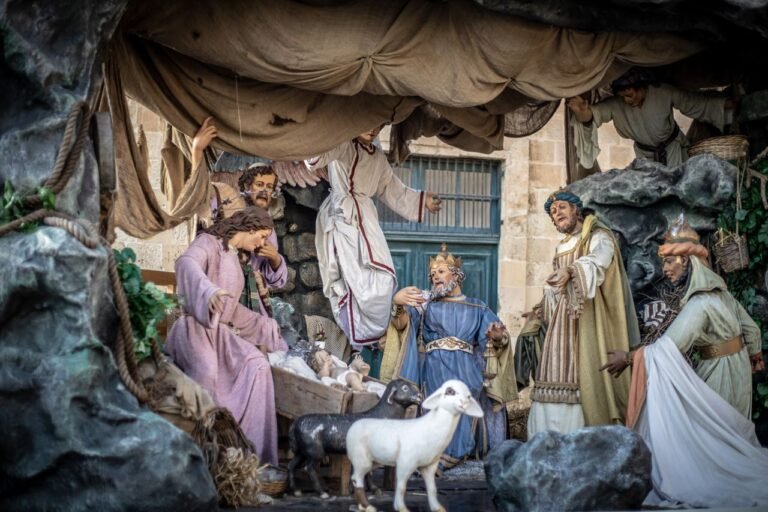

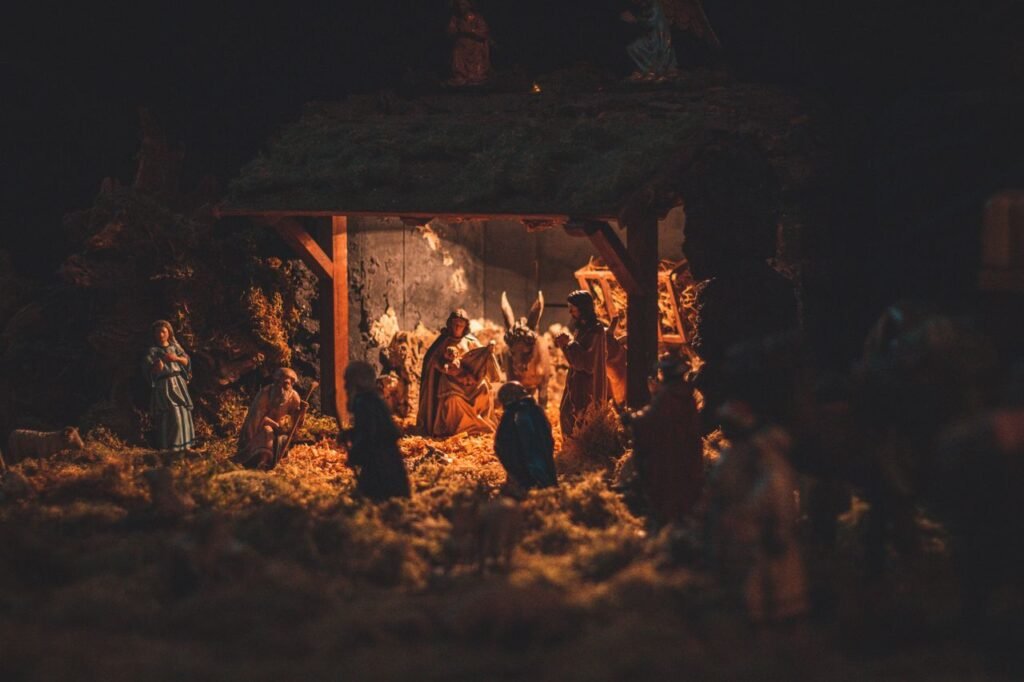
The wise men are among the most memorable figures in the Christmas story. They traveled from the East to find Jesus, followed a remarkable star, and brought gifts to honor the newborn King.
Their story is recorded in Matthew 2:1–12, but there is much more to discover than the familiar image of three kings gathered around a manger.
Were there really three wise men? What was the star they followed? Why did they bring gold, frankincense, and myrrh? And what happened after they met Jesus?
Let’s explore 25 fascinating facts about the wise men in the Bible, along with Scripture references and important lessons from their journey.
Who Were the Wise Men in the Bible?
Before exploring these facts, it helps to understand who the wise men were.
Matthew calls them Magi, a term used for learned men associated with the East. They came to Jerusalem searching for the child who had been born King of the Jews.
Unlike the shepherds, whose visit is recorded in Luke 2, the wise men appear in Matthew’s Gospel. Their journey, worship, and gifts have become an important part of Christian Christmas traditions.
25 Facts About the Wise Men in Scripture
1. They Came From the East
Read: Matthew 2:1
The wise men traveled to Jerusalem from the East. Matthew does not identify their homeland, although Persia and Babylonia are among the regions suggested by scholars.
Their distant journey demonstrates how far they were willing to travel to find the newborn King.
2. They Were Called Magi
Read: Matthew 2:1
The biblical word translated as “wise men” is Magi. In the ancient world, the term could refer to learned men associated with interpreting dreams, observing the heavens, or serving in royal courts.
Matthew does not provide a detailed description of their occupations or social positions.
3. The Bible Never Says There Were Three Wise Men
Read: Matthew 2:1–12
Many nativity scenes show three wise men, but Scripture does not give their number.
The tradition of three visitors likely developed because Matthew mentions three gifts: gold, frankincense, and myrrh. The actual number of wise men remains unknown.
4. They Were Not Called Kings in Matthew’s Gospel
Read: Matthew 2:1–2
The familiar expression “Three Kings” comes from Christian tradition. Matthew calls them wise men or Magi rather than kings.
Over time, Christian art and literature portrayed them as royal visitors, emphasizing the honor they gave Jesus.
5. They Were Searching for the King of the Jews
Read: Matthew 2:2
When the wise men arrived in Jerusalem, they asked where they could find the child born King of the Jews.
They explained that they had seen His star and wanted to worship Him. Their question introduced the conflict between their search and King Herod’s fear of a rival ruler.
6. They Followed a Special Star
Read: Matthew 2:2
The wise men said they had seen a star associated with the birth of the King of the Jews.
The star became a lasting symbol of guidance and hope in Christian Christmas traditions. The Bible does not identify it as a particular planet, comet, or other astronomical event.
7. King Herod Was Troubled by Their Arrival
Read: Matthew 2:3
Herod became disturbed when he heard the wise men’s question. The news of another king threatened his political security.
Matthew says that all Jerusalem was troubled with him, highlighting the tension surrounding the announcement.
8. Herod Asked the Religious Leaders About the Messiah
Read: Matthew 2:4–6
Herod gathered the chief priests and teachers of the law to ask where the Messiah was expected to be born.
They pointed to Bethlehem and referred to the prophecy in Micah 5:2, which describes a ruler coming from that town.
9. Bethlehem Was Identified Through Prophecy
Read: Micah 5:2; Matthew 2:5–6
Bethlehem was significant because of its connection with King David and the prophecy concerning a future ruler of Israel.
Matthew presents Jesus’ birth in Bethlehem as part of the fulfillment of Scripture.
10. Herod Secretly Asked When the Star Appeared
Read: Matthew 2:7
Herod questioned the wise men privately about the time the star had appeared.
He wanted to estimate the child’s age. Later, he used this information when ordering the killing of boys aged two and under in Bethlehem and the surrounding area.
11. Herod Pretended He Wanted to Worship Jesus
Read: Matthew 2:8
Herod instructed the wise men to search carefully for the child and report back to him.
He claimed that he also wanted to worship Jesus, but Matthew’s account reveals that his intentions were harmful.
12. The Star Guided Them Toward Jesus
Read: Matthew 2:9
After leaving Herod, the wise men saw the star go ahead of them until it stopped over the place where the child was.
This is one of the most distinctive details in Matthew’s account, although the passage does not explain the star’s physical nature.
13. They Rejoiced When They Saw the Star
Read: Matthew 2:10
The wise men were filled with great joy when they saw the star.
Their reaction reflects the excitement of people who had traveled far and were nearing the end of their search.
14. They Found Jesus in a House
Read: Matthew 2:11
Matthew says the wise men entered a house and saw Jesus with His mother, Mary.
This differs from the familiar nativity scene in which the wise men stand beside a manger. Luke describes the shepherds finding Jesus in a manger, while Matthew describes the wise men’s visit to a house.
The Bible does not say that the two groups visited Jesus together.
15. They Bowed Down and Worshiped Jesus
Read: Matthew 2:11
When the wise men saw Jesus, they fell down and worshiped Him.
Their response is central to the story. They had not traveled merely to satisfy their curiosity; they came to honor the child they believed was the King of the Jews.
16. They Presented Jesus With Gold
Read: Matthew 2:11
Gold was a precious and valuable gift in the ancient world.
Christian tradition often associates gold with kingship, reflecting Jesus’ identity as King. However, Matthew records the gift without explicitly explaining its symbolic meaning.
17. They Brought Frankincense
Read: Matthew 2:11
Frankincense is a fragrant resin that was used in incense, perfumes, and religious ceremonies.
Many Christians associate it with worship and divinity. This is a traditional interpretation rather than an explanation directly provided by Matthew.
18. They Also Brought Myrrh
Read: Matthew 2:11
Myrrh was another valuable aromatic resin used in the ancient world.
Christian tradition often connects myrrh with Jesus’ future suffering and death. Matthew, however, simply identifies it as the third gift presented to Jesus.
19. Their Gifts Were Valuable
Read: Matthew 2:11
Gold, frankincense, and myrrh were valuable commodities in the ancient world.
The gifts reflected the honor the wise men wished to show Jesus. Scripture does not tell us their exact quantities or monetary value.
20. God Warned Them in a Dream
Read: Matthew 2:12
After visiting Jesus, the wise men received a warning in a dream not to return to Herod.
They obeyed the warning and traveled back to their country by another route.
21. They Did Not Tell Herod Where Jesus Was
Read: Matthew 2:12
The wise men did not return to Herod with information about Jesus’ location.
Their decision prevented them from cooperating with Herod’s plan. Matthew does not provide further details about their return journey.
22. Their Visit Was Followed by the Flight to Egypt
Read: Matthew 2:13–15
After the wise men departed, an angel warned Joseph in a dream to take Jesus and Mary to Egypt.
Joseph left during the night and remained there with his family until Herod died. Matthew connects this event with Hosea 11:1.
23. The Bible Does Not Reveal Their Names
Read: Matthew 2:1–12
The wise men are not named in Scripture.
Later Christian tradition identifies them as Melchior, Caspar, and Balthazar. These names became familiar through Christian storytelling and artwork, but they do not appear in Matthew’s Gospel.
24. Their Visit Has Inspired Christmas Traditions
Read: Matthew 2:1–12
The wise men have become familiar figures in nativity scenes, Christmas carols, church services, and seasonal decorations.
Their journey is remembered as a story of seeking Jesus, offering gifts, and worshiping the newborn King. Some details in modern depictions, including their names and exact number, come from tradition rather than Scripture.
25. Their Story Encourages Us to Seek Jesus
Read: Matthew 2:1–12
The wise men traveled a great distance to find Jesus. When they reached Him, they worshiped Him and presented their gifts.
Their story encourages Christians to seek God sincerely, worship with humility, and express faith through meaningful actions.
What Do the Gifts of the Wise Men Mean?
The three gifts have long been associated with symbolic meanings in Christian tradition.
| Gift | Common Traditional Meaning |
|---|---|
| Gold | Jesus’ kingship |
| Frankincense | Worship and divinity |
| Myrrh | Suffering and death |
Matthew does not explicitly assign these meanings to the gifts. Nevertheless, these interpretations have become an important part of Christian reflection on the Christmas story.
5 Lessons We Can Learn From the Wise Men
The wise men offer several valuable lessons for everyday Christian life.
1. Seek truth with determination. Their journey reminds us to keep searching for wisdom and understanding.
2. Worship with humility. They bowed before Jesus, showing reverence rather than pride.
3. Give generously. Their gifts remind us to honor others through thoughtful generosity.
4. Exercise wisdom. They listened to the warning they received and avoided returning to Herod.
5. Let faith guide your actions. Their search led them to travel, worship, give, and make a different decision when necessary.
Frequently Asked Questions About the Wise Men
Were there three wise men in the Bible?
The Bible does not state how many wise men visited Jesus. The traditional number of three comes from the three gifts mentioned in Matthew 2:11.
Were the wise men kings?
Matthew describes them as Magi or wise men, not kings. The title “Three Kings” developed through Christian tradition.
Where did the wise men come from?
Matthew 2:1 says they came from the East. Their exact country of origin is not specified.
What gifts did the wise men give Jesus?
They presented gold, frankincense, and myrrh, as recorded in Matthew 2:11.
Did the wise men visit Jesus on the night He was born?
Matthew does not say that they arrived on the night of Jesus’ birth. The account describes them visiting Jesus in a house, but it does not provide an exact date for their arrival.
What happened to the wise men after they visited Jesus?
Matthew 2:12 says they were warned in a dream not to return to Herod, so they went back to their country by another route. The Bible does not describe what happened to them afterward.
Why are the wise men important in the Bible?
Their story highlights the search for Jesus, the worship of the newborn King, and the significance of His birth. Christians also interpret their arrival as a sign of the wider reach of Jesus’ mission.
Conclusion
The wise men are an unforgettable part of the biblical Christmas story. Their journey from the East, their search for Jesus, and their gifts of gold, frankincense, and myrrh have inspired Christians for generations.
The Bible leaves some questions unanswered. It does not tell us the wise men’s names, their exact number, or their precise homeland. Yet it clearly describes their determination to find Jesus, their joy when they reached Him, and their response of worship.
Their story reminds us that the search for God should lead to humility, faith, generosity, and obedience.
This Christmas, remember the wise men not only for the gifts they brought but also for the example they set by seeking Jesus and worshiping Him.
Read More:
30 Christmas Bible Stories for Kids
50 Facts About the Birth of Jesus in the Bible
50 Facts About Mary, the Mother of Jesus, in the Bible
30 Facts About Joseph, the Earthly Father of Jesus, in the Bible