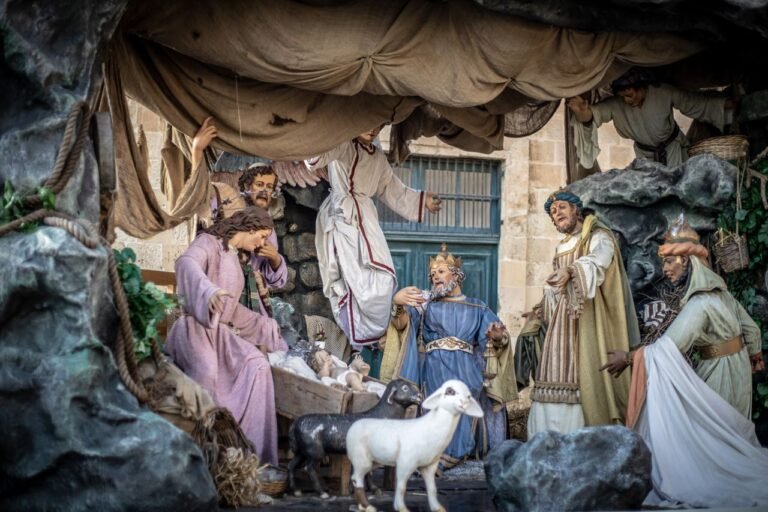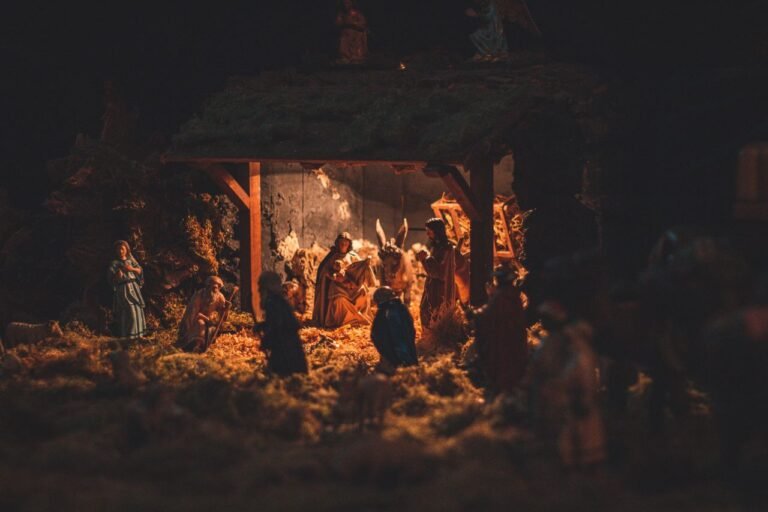

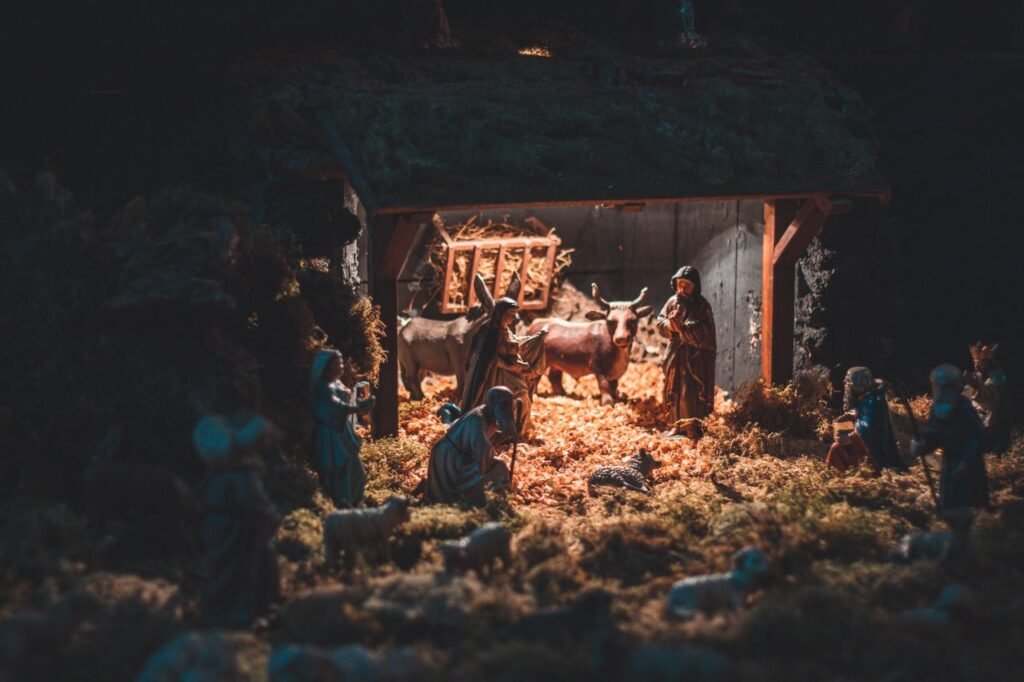
The birth of Jesus Christ is one of the most important events in the Bible. Every Christmas, millions of Christians around the world celebrate His birth and remember the story of Mary, Joseph, the shepherds, the angels, and the wise men.
But how much do you really know about the birth of Jesus?
The Bible contains many fascinating details about Jesus’ birth, from ancient prophecies and angelic announcements to the humble manger in Bethlehem. Some details are widely known, while others are often overlooked during Christmas celebrations.
In this guide, you will discover 50 facts about the birth of Jesus in the Bible, supported by Scripture references. These facts will help you understand the biblical Christmas story more deeply and appreciate the meaning of Jesus’ arrival.
Whether you are preparing for Christmas, studying the Bible, teaching children, or looking for interesting Bible facts to share with your family, this list is a helpful place to begin.
50 Facts About the Birth of Jesus in the Bible
1. Jesus Was Born in Bethlehem
Bible Reference: Luke 2:4–7
Jesus was born in Bethlehem, a town in Judea. Mary and Joseph traveled there from Nazareth because Joseph belonged to the house and lineage of David. Bethlehem was also significant because the prophet Micah had foretold that a ruler for Israel would come from that town.
2. Jesus Was Born to the Virgin Mary
Bible Reference: Matthew 1:18–25; Luke 1:26–35
The Bible teaches that Mary conceived Jesus through the Holy Spirit before she and Joseph came together as husband and wife. Christians understand the virgin birth as a central part of the story of Jesus’ miraculous arrival.
3. An Angel Announced Jesus’ Birth to Mary
Bible Reference: Luke 1:26–33
God sent the angel Gabriel to Nazareth to speak with Mary. Gabriel told her that she would conceive and give birth to a son named Jesus. He also explained that Jesus would be called the Son of the Most High and would reign over the house of Jacob forever.
4. Jesus’ Name Was Chosen Before His Birth
Bible Reference: Matthew 1:21; Luke 1:31
Both Matthew and Luke record that the name Jesus was given through an angelic announcement. Matthew explains that Jesus would save His people from their sins. His name was therefore connected with His mission as Savior.
5. Jesus Is Associated With the Name Immanuel
Bible Reference: Matthew 1:22–23
Matthew connects Jesus’ birth with Isaiah’s prophecy concerning Immanuel. The name Immanuel means “God with us.” Christians understand this name as expressing God’s presence among humanity through Jesus.
6. Joseph Was Engaged to Mary When She Conceived Jesus
Bible Reference: Matthew 1:18–19
Mary was pledged to be married to Joseph when she was found to be pregnant through the Holy Spirit. Joseph initially faced a difficult situation because he did not yet understand what had happened. Matthew describes him as a righteous man who did not want to expose Mary to public disgrace.
7. An Angel Appeared to Joseph in a Dream
Bible Reference: Matthew 1:20–21
While Joseph was considering what to do, an angel of the Lord appeared to him in a dream. The angel explained that Mary’s child was conceived through the Holy Spirit and instructed Joseph to take Mary as his wife.
8. Joseph Obeyed God’s Instructions
Bible Reference: Matthew 1:24–25
After waking from his dream, Joseph did what the angel had commanded. He took Mary as his wife and accepted his role in caring for Jesus. His response demonstrates faith, obedience, and trust in God’s direction.
9. Jesus’ Birth Fulfilled an Ancient Prophecy
Bible Reference: Micah 5:2; Matthew 2:4–6
The prophet Micah foretold that a ruler for Israel would come from Bethlehem. When Herod asked the chief priests and teachers where the Messiah would be born, they identified Bethlehem as the place described in Scripture.
10. Mary and Joseph Traveled to Bethlehem for a Census
Bible Reference: Luke 2:1–5
Luke explains that Caesar Augustus issued a decree requiring a census. Joseph traveled from Nazareth in Galilee to Bethlehem in Judea because he belonged to David’s family line. Mary accompanied him while expecting her child.
11. Jesus Was Born During the Reign of Caesar Augustus
Bible Reference: Luke 2:1–7
The Gospel of Luke places Jesus’ birth within the historical setting of Caesar Augustus’s reign. This detail connects the biblical account with the wider political world of the Roman Empire.
12. Jesus Was Mary’s Firstborn Son
Bible Reference: Luke 2:7
Luke describes Jesus as Mary’s firstborn son. The verse records that Mary wrapped Him in cloths and laid Him in a manger after His birth.
13. Jesus Was Wrapped in Cloths
Bible Reference: Luke 2:7, 12
Luke mentions that Mary wrapped Jesus in cloths after giving birth. The angel later told the shepherds that they would recognize the child by finding Him wrapped in cloths and lying in a manger.
14. Jesus Was Laid in a Manger
Bible Reference: Luke 2:7
A manger is a feeding trough for animals. Luke says Mary laid Jesus in a manger because there was no place available for them in the guest accommodation. This humble setting has become one of the most recognizable images associated with Christmas.
15. The Bible Does Not Specify the Exact Date of Jesus’ Birth
Bible Reference: Matthew 1–2; Luke 1–2
The Bible does not provide a specific calendar date for Jesus’ birth. Christians traditionally celebrate Christmas on December 25 in many parts of the world, but Scripture does not identify that date as the actual day He was born.
16. The Bible Does Not Give Jesus’ Exact Birth Year
Bible Reference: Matthew 2:1; Luke 2:1–2
The Gospels provide historical clues about the timing of Jesus’ birth, including the reign of Herod the Great and the census mentioned by Luke. However, they do not give a precise year that resolves every historical question about the date of His birth.
17. Angels Announced Jesus’ Birth to Shepherds
Bible Reference: Luke 2:8–12
Shepherds were living in the fields nearby, keeping watch over their flocks at night. An angel appeared to them and announced that a Savior had been born in the city of David. The shepherds were given a sign: they would find a baby wrapped in cloths and lying in a manger.
18. The Shepherds Were Frightened by the Angel
Bible Reference: Luke 2:9–10
When the angel appeared, the glory of the Lord shone around the shepherds, and they were terrified. The angel reassured them by saying that they should not be afraid because he had come with good news of great joy.
19. The Angel Called Jesus the Savior
Bible Reference: Luke 2:11
The angel announced the birth of a Savior, who is Christ the Lord. This statement summarizes the importance of Jesus’ birth in Christian belief. He came not merely as a historical figure but as the one Christians trust for salvation.
20. A Heavenly Host Praised God
Bible Reference: Luke 2:13–14
After the first angel announced the news, a great company of the heavenly host appeared, praising God. They proclaimed glory to God in the highest and peace on earth among those on whom His favor rests, according to the wording of the translation.
21. The Shepherds Visited Jesus After Hearing the News
Bible Reference: Luke 2:15–16
When the angels departed, the shepherds decided to travel to Bethlehem. They hurried there and found Mary, Joseph, and the baby lying in a manger, just as they had been told.
22. The Shepherds Shared What They Had Seen
Bible Reference: Luke 2:17–18
After seeing Jesus, the shepherds told others what the angel had said about the child. Everyone who heard their report was amazed. Their response shows how the news of Jesus’ birth spread beyond the place where He was born.
23. Mary Treasured These Events in Her Heart
Bible Reference: Luke 2:19
Luke says Mary treasured these things and pondered them in her heart. While others responded with amazement and praise, Mary reflected deeply on the events surrounding her son.
24. The Shepherds Returned Praising God
Bible Reference: Luke 2:20
After visiting Jesus, the shepherds returned to their fields. They glorified and praised God for everything they had heard and seen, which had happened just as the angel had told them.
25. Wise Men Came From the East
Bible Reference: Matthew 2:1
Matthew records that wise men from the East arrived in Jerusalem after Jesus was born in Bethlehem. They had seen a star associated with the birth of the King of the Jews and had come to worship Him.
26. The Bible Does Not Say There Were Exactly Three Wise Men
Bible Reference: Matthew 2:1–12
A popular Christmas tradition depicts three wise men. However, Matthew does not specify their number. The tradition of three likely developed because the Gospel mentions three kinds of gifts: gold, frankincense, and myrrh.
27. The Wise Men Asked About the King of the Jews
Bible Reference: Matthew 2:1–2
The wise men asked where the child born King of the Jews could be found. They explained that they had seen His star and had come to worship Him. Their question caused concern for Herod and the people of Jerusalem.
28. King Herod Was Troubled by the News
Bible Reference: Matthew 2:3
When Herod heard about the birth of the King of the Jews, he was disturbed, and all Jerusalem with him. Herod viewed the announcement as a potential threat to his power.
29. The Religious Leaders Identified Bethlehem
Bible Reference: Matthew 2:4–6
Herod gathered the chief priests and teachers of the law and asked where the Messiah was to be born. They referred to the prophecy concerning Bethlehem in Judea. Their answer directed the wise men toward the town associated with the promised ruler.
30. The Star Guided the Wise Men
Bible Reference: Matthew 2:9–10
After the wise men left Herod, the star they had seen went ahead of them until it stopped over the place where the child was. Matthew says they were overjoyed when they saw the star.
31. The Wise Men Found Jesus in a House
Bible Reference: Matthew 2:11
Matthew says the wise men entered a house and saw the child with Mary, His mother. Unlike Luke’s account of the shepherds visiting the baby in a manger, Matthew’s account describes the wise men’s visit to a house.
32. The Wise Men Worshiped Jesus
Bible Reference: Matthew 2:11
When the wise men saw Jesus, they bowed down and worshiped Him. Their response showed that they recognized the child as worthy of honor.
33. The Wise Men Brought Three Kinds of Gifts
Bible Reference: Matthew 2:11
The wise men presented Jesus with gold, frankincense, and myrrh. Gold was a valuable metal, frankincense was an aromatic resin used in worship and perfumery, and myrrh was another fragrant resin used for various purposes.
34. Gold Was One of the Gifts Given to Jesus
Bible Reference: Matthew 2:11
Gold was a precious and valuable gift in the ancient world. Many Christians associate it with Jesus’ kingship, although Matthew does not explicitly explain the symbolic meaning of each gift.
35. Frankincense Was Presented to Jesus
Bible Reference: Matthew 2:11
Frankincense was a fragrant resin used in incense and religious ceremonies. Its presence among the gifts highlights the valuable and unusual offerings brought by the wise men.
36. Myrrh Was the Third Gift
Bible Reference: Matthew 2:11
Myrrh was an aromatic resin used in ancient times for fragrance and other purposes. Christians have often interpreted it as symbolically pointing toward Jesus’ future suffering and death, although Matthew does not state that interpretation directly.
37. The Wise Men Were Warned in a Dream
Bible Reference: Matthew 2:12
After visiting Jesus, the wise men received a warning in a dream not to return to Herod. They obeyed and returned to their country by another route.
38. An Angel Warned Joseph to Escape to Egypt
Bible Reference: Matthew 2:13
After the wise men departed, an angel appeared to Joseph in a dream. The angel instructed him to take Jesus and Mary to Egypt because Herod intended to search for the child and destroy Him.
39. Joseph Left for Egypt During the Night
Bible Reference: Matthew 2:14
Joseph got up, took the child and His mother, and left for Egypt during the night. His immediate response protected his family from Herod’s plan.
40. Herod Ordered the Killing of Young Boys in Bethlehem
Bible Reference: Matthew 2:16–18
Matthew records that Herod ordered the killing of boys aged two and under in Bethlehem and its surrounding area. He acted after calculating the time from the information he had received from the wise men.
This is one of the most tragic parts of the biblical Christmas narrative and reminds readers that Jesus’ early life unfolded amid political violence and danger.
41. The Holy Family Remained in Egypt Until Herod’s Death
Bible Reference: Matthew 2:14–15, 19–21
Joseph, Mary, and Jesus remained in Egypt until Herod died. Afterward, an angel instructed Joseph to return to the land of Israel. This journey forms an important part of Matthew’s account of Jesus’ early childhood.
42. Jesus’ Family Eventually Settled in Nazareth
Bible Reference: Matthew 2:22–23; Luke 2:39–40
After returning from Egypt, Joseph settled with Mary and Jesus in Nazareth in Galilee. Luke also records that the family returned to Nazareth after completing the requirements of the law. Jesus grew and became strong, filled with wisdom.
43. Jesus Was Presented at the Temple
Bible Reference: Luke 2:22–24
Mary and Joseph brought Jesus to Jerusalem to present Him to the Lord, following the requirements of the law of Moses. They offered a sacrifice of a pair of doves or two young pigeons, an option provided for those who could not afford a lamb.
44. Simeon Recognized Jesus as God’s Salvation
Bible Reference: Luke 2:25–35
Simeon was a righteous and devout man who was waiting for the consolation of Israel. Guided by the Holy Spirit, he came to the temple, took Jesus in his arms, and praised God. He recognized Jesus as God’s salvation for all peoples.
45. Anna Gave Thanks for Jesus
Bible Reference: Luke 2:36–38
Anna was a prophetess who worshiped faithfully at the temple. When she saw Jesus, she gave thanks to God and spoke about Him to those who were waiting for the redemption of Jerusalem.
46. Jesus’ Birth Is Connected With the Promise to David
Bible Reference: Luke 1:32–33; Matthew 1:1
The New Testament connects Jesus with the family line of King David. The angel told Mary that Jesus would receive the throne of His ancestor David and reign forever. Matthew’s Gospel also begins by identifying Jesus as the son of David and the son of Abraham.
47. Jesus’ Genealogy Connects Him With Abraham and David
Bible Reference: Matthew 1:1–17
Matthew opens his Gospel with a genealogy tracing Jesus’ family line through Abraham and David. The genealogy places Jesus within the history of Israel and highlights the importance of God’s promises to these ancestors.
48. The Birth of Jesus Is Described Differently in Matthew and Luke
Bible Reference: Matthew 1–2; Luke 1–2
Matthew focuses on Joseph’s dreams, the wise men, Herod, and the journey to Egypt. Luke emphasizes Mary’s encounter with Gabriel, the shepherds, and the events surrounding Jesus’ birth and presentation at the temple.
Reading both accounts provides a fuller picture of the biblical Christmas narrative.
49. The Birth of Jesus Is Central to the Christian Message
Bible Reference: John 1:14; Luke 2:10–11
The birth of Jesus marks the beginning of His earthly life. Luke presents His arrival as good news of great joy for all people, while John describes the Word becoming flesh and dwelling among humanity. Together, these passages help explain why Christians consider Jesus’ birth so significant.
50. Jesus’ Birth Points to God’s Love and Salvation
Bible Reference: John 3:16–17; Matthew 1:21
The Bible connects Jesus’ coming with God’s love and the promise of salvation. Matthew says Jesus would save His people from their sins, while John describes God’s love for the world through the gift of His Son.
For Christians, this is the deepest meaning of Christmas: celebrating the arrival of the Savior and remembering the hope offered through Him.
What Is the Significance of Jesus’ Birth?
The birth of Jesus is more than a familiar Christmas story. In the Bible, it marks the arrival of the one Christians believe fulfills God’s promises and brings salvation to humanity.
Here are four important themes that emerge from the biblical accounts.
1. God’s Promises Are Fulfilled
The Gospels connect Jesus’ birth with Old Testament prophecies and God’s promises to His people. The accounts of Bethlehem, Immanuel, and the line of David show how the New Testament presents Jesus within the larger story of Scripture.
2. God Works Through Humble People
Mary and Joseph were entrusted with an extraordinary responsibility. The shepherds, ordinary workers in the fields, were among the first people to hear the announcement of Jesus’ birth. These accounts emphasize that God’s purposes are not limited to the wealthy or powerful.
3. Jesus Came to Bring Salvation
The angel’s announcement in Matthew 1:21 explains the significance of Jesus’ name and mission. Christians believe Jesus came to save humanity from sin, a message that forms the foundation of the Christian faith.
4. Christmas Is a Celebration of Hope
The announcement of good news to the shepherds, the joy of the wise men, and the praise offered by Simeon and Anna all reflect hope and gratitude. Christmas invites Christians to remember God’s love and share that love with others.
Frequently Asked Questions About the Birth of Jesus
Where in the Bible can I read about the birth of Jesus?
The main accounts are found in Matthew 1–2 and Luke 1–2. Matthew describes Joseph’s dreams, the wise men, Herod, and the journey to Egypt. Luke recounts the angel Gabriel’s announcement to Mary, Jesus’ birth in Bethlehem, the shepherds, and the presentation at the temple.
What are three important facts about Jesus’ birth?
Three important facts are that Jesus was born in Bethlehem, Mary conceived Him through the Holy Spirit according to the Gospels, and angels announced His birth to shepherds. These events are recorded in Matthew 1:18–25 and Luke 2:1–20.
Were there really three wise men?
The Bible does not state that there were exactly three wise men. Matthew 2:1–12 records three types of gifts: gold, frankincense, and myrrh. The familiar tradition of three wise men is based on the number of gifts rather than an explicit biblical statement about their number.
Was Jesus born on December 25?
The Bible does not give the exact date of Jesus’ birth. December 25 became the traditional date for Christmas in many Christian communities, but the biblical accounts do not specify that Jesus was born on that day.
Was Jesus born in a stable?
Luke 2:7 says Jesus was laid in a manger because there was no place available for the family in the guest accommodation. The verse does not explicitly mention a stable or describe the building where the manger was located. The familiar stable scene comes from later Christian tradition and artistic representations.
Who visited Jesus after His birth?
Luke 2:15–20 describes shepherds visiting Jesus after the angels announced His birth. Matthew 2:1–12 describes wise men arriving later and presenting gifts. The Bible does not establish that the shepherds and wise men visited Jesus at the same time.
Why was Jesus born in Bethlehem?
Luke explains that Joseph traveled to Bethlehem because he belonged to David’s family line. Matthew also connects Bethlehem with Micah’s prophecy about a ruler who would come from that town. The Gospels therefore link Jesus’ birthplace with both historical circumstances and biblical prophecy.
What does the name Jesus mean?
The name Jesus is related to the Hebrew name Yeshua, commonly understood to mean “the Lord saves” or “Yahweh saves.” Matthew 1:21 connects the name directly with Jesus’ mission to save His people from their sins.
Conclusion
These 50 facts about the birth of Jesus in the Bible reveal the richness of the Christmas story. From the angel Gabriel’s announcement to Mary to the shepherds’ visit and the wise men’s gifts, the biblical accounts contain details that deepen our understanding of Jesus’ arrival.
They also remind us that the story of Christmas includes prophecy, faith, obedience, worship, danger, hope, and salvation.
As you prepare for Christmas, take time to read Matthew 1–2 and Luke 1–2 for yourself. Notice the details, reflect on the promises fulfilled through Jesus, and share the story with your family.
The greatest message of Christmas is not simply that a child was born in Bethlehem, but that Christians believe God sent His Son to bring salvation and hope to the world.
Read More:
30 Christmas Bible Stories for Kids
50 Facts About Mary, the Mother of Jesus, in the Bible
30 Facts About Joseph, the Earthly Father of Jesus, in the Bible