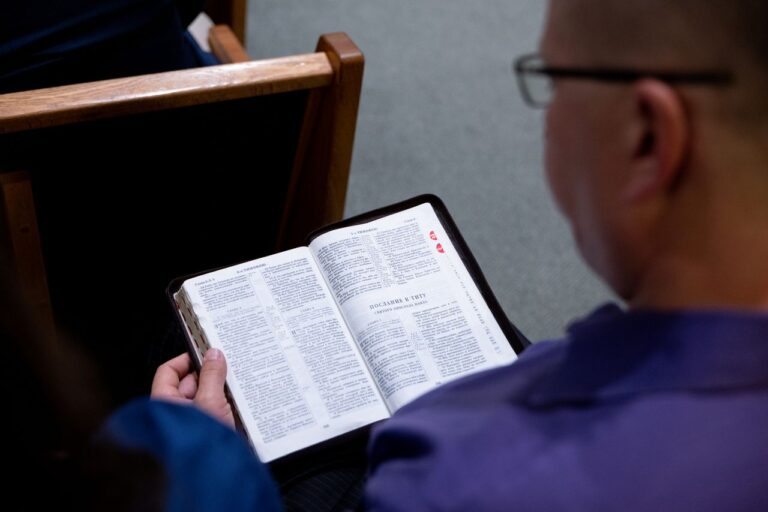


There are days when believing in God feels easy.
What to Do When Your Faith Is Weak becomes a guide for how to respond to doubt.
You wake up with hope. Your prayers come naturally. You read the Bible and find comfort in its words. Even when life is difficult, something inside you tells you that everything will eventually work out.
And then there are other days.
You pray, but your heart feels empty. You open your Bible, but the words do not seem to reach you. Problems that once felt manageable suddenly become overwhelming, and you begin wondering where your faith has gone.
Perhaps you have been waiting for God to answer a prayer. Maybe you are dealing with financial pressure, family problems, loneliness, or the loss of someone you love.
Whatever the reason, you may find yourself asking a question you never expected to ask:
What should I do when my faith is weak?
First, take a breath.
You do not have to solve every spiritual struggle today. You do not have to pretend that you are stronger than you feel.
A season of weak faith does not have to be the end of your journey with God. It can be a time to slow down, seek understanding, and discover what you truly need.
Here are eight practical, Bible-based steps to help you move forward.
1. Stop Pretending That You Are Fine
Sometimes, the hardest part of struggling with faith is feeling that you are not allowed to struggle.
You may look at other Christians and assume they never question God. They seem confident during difficult times, so you wonder why you cannot feel the same way.
But outward confidence does not tell you everything about another person’s spiritual life.
The Bible contains many honest expressions of fear, sorrow, and uncertainty.
In Psalm 13, David asks God how long he will seem forgotten. His words reveal the pain of someone who feels distant from the Lord.
David does not hide his emotions behind a perfect prayer.
You can be honest with God, too.
If you are disappointed, admit it. If you are confused, say so. If you are afraid that your faith is fading, bring that fear into your prayers.
You do not need to perform for God.
Your first step is not to pretend that your faith is strong. It is to be honest about where you are.
2. Pray Even If You Have Nothing Beautiful to Say
When your faith feels weak, prayer can become surprisingly difficult.
You may sit quietly, trying to find the right words, only to discover that you have nothing to say.
Perhaps you are tired of asking for the same thing. Perhaps you are afraid to hope again because you have been disappointed before.
In these moments, remember the words of a father who came to Jesus seeking help for his suffering son.
Mark 9:24 records his prayer:
“Lord, I believe; help thou mine unbelief.”
He did not claim to have perfect faith. He openly acknowledged his struggle.
You can follow that example.
Try a simple prayer:
“God, I am struggling right now. I want to trust You, but I do not know how. Please help me take the next step.”
That is enough to begin.
You do not need an hour-long prayer session or an emotional experience every time you speak to God. Start with a few honest minutes.
Let prayer become a place where you can bring your real thoughts, rather than a place where you feel pressured to hide them.
3. Read One Bible Verse Instead of Forcing Yourself to Read Chapters
When your spiritual life feels strong, reading several chapters of Scripture may come naturally.
When your faith is weak, even opening the Bible can feel like a burden.
Instead of setting an unrealistic goal, make the process smaller.
Read one verse. Think about its meaning. Write down a question it raises or a thought it brings to mind.
For example, Proverbs 3:5–6 encourages believers to trust in the Lord rather than relying entirely on their own understanding.
This does not mean you should stop thinking critically or ignore practical problems. It is an invitation to recognize that your own perspective may not reveal the whole picture.
You might also read:
- Psalm 23 when you need comfort.
- Isaiah 41:10 when you are afraid.
- Matthew 11:28–30 when you feel exhausted.
- Romans 8:38–39 when you need to reflect on God’s love.
- Mark 9:24 when you are struggling to believe.
Choose one passage and spend a few minutes with it.
The goal is not to finish a reading plan. The goal is to engage with Scripture in a way you can sustain.
4. Ask Yourself What Is Making Your Faith Weak
Not every spiritual struggle has the same cause.
Sometimes, faith feels weak because of unanswered prayers. Sometimes, it is connected to grief, disappointment, loneliness, intellectual questions, or exhaustion.
Before trying to fix the problem, identify what is actually happening.
Ask yourself three questions:
Am I disappointed with God?
Perhaps you prayed for something important and did not receive the outcome you wanted.
Am I emotionally exhausted?
Maybe you have been carrying too many responsibilities, dealing with constant stress, or neglecting your own needs.
Am I struggling with something I do not understand?
Perhaps you have questions about a Bible passage, the existence of suffering, or the foundations of Christianity.
These situations may require different responses.
If you are grieving, you may need time, companionship, and emotional support. If you have intellectual questions, you may benefit from careful study and thoughtful conversations. If you are exhausted, rest may be an important first step.
Do not assume that every struggle can be solved by simply trying harder to believe.
Understanding your situation can help you choose a more meaningful way forward.
5. Stop Comparing Your Faith to Someone Else’s
Social media can make this especially difficult.
You see people posting inspirational Bible verses, sharing powerful testimonies, and talking about how God transformed their lives.
Meanwhile, you are struggling to get through the day without feeling spiritually empty.
It is easy to conclude that something must be wrong with you.
But you are comparing your private struggles with someone else’s public moments.
You do not know everything that another person has experienced, and their spiritual journey does not have to become the standard for yours.
Romans 12:3 encourages humility and warns against thinking of ourselves more highly than we should.
Apply that principle to your spiritual life, too. You do not need to prove that your faith is stronger than someone else’s.
Instead, focus on the next step available to you.
Maybe today, that means praying for five minutes. Maybe it means reading a Psalm. Maybe it means asking a trusted person for help.
Small steps still count.
6. Talk to Someone You Trust
Faith can become more difficult when you feel completely alone.
You may be afraid that admitting your doubts will lead others to judge you. You may worry that your church community will misunderstand your questions.
Look for someone who can listen without shaming you.
This could be a mature Christian friend, a pastor, or another trusted person who takes your concerns seriously.
You do not need someone who has an immediate answer to every question. You need someone willing to listen, think carefully, and help you find reliable guidance.
Hebrews 10:24–25 encourages believers to support one another and continue gathering together.
Healthy community can provide encouragement when your own strength feels limited.
If your struggles are connected to prolonged sadness, anxiety, grief, or overwhelming stress, consider seeking professional support as well. Caring for your emotional well-being is not a failure of faith.
You were never meant to carry every burden alone.
7. Remember That Faith Is Not the Same as Feeling Strong
One of the most discouraging experiences is feeling as though God is absent.
You pray but feel no peace. You read Scripture but experience no immediate comfort. You attend church but still feel uncertain.
It can seem as though your faith has disappeared.
However, feelings are not a perfect measure of what you believe.
You can feel afraid and still choose courage. You can feel uncertain and still seek understanding. You can feel discouraged and still take a meaningful step toward the life you want to live.
In John 20:24–29, Thomas struggles to believe that Jesus has risen from the dead until he encounters the risen Jesus himself.
His story acknowledges that people can struggle with belief and seek reassurance.
If you are struggling today, do not demand that yourself feel completely confident before you can move forward.
Give yourself room to grow.
You may not feel spiritually strong every day, and that does not mean every day is wasted.
8. Take One Small Step Today
You may be hoping for a dramatic experience that restores your faith overnight.
Sometimes, a meaningful experience can change your perspective. But spiritual growth can also happen gradually, through ordinary choices repeated over time.
Instead of trying to transform your entire spiritual life in one day, choose one small action.
Here is a simple plan you can follow.
Today: Spend five minutes in honest prayer.
Tomorrow: Read Psalm 23 or Mark 9:14–29 and reflect on what you learn.
This week: Talk to someone you trust about what you are experiencing.
Over the next few weeks: Identify the questions troubling you and explore them through Scripture, thoughtful study, and reliable guidance.
Do not treat this as a test you must pass.
If you miss a day, begin again. If you still have questions, keep exploring them.
The purpose is not to manufacture perfect faith. It is to create space for reflection, understanding, and steady spiritual growth.
A Short Prayer for When Your Faith Is Weak
If you do not know where to begin, you can use these words in your own prayer.
Heavenly Father,
My faith feels weak right now. I have questions, fears, and worries that I do not know how to handle.
Sometimes I struggle to understand what You are doing in my life. Sometimes I feel tired of waiting, and sometimes I do not know what to pray.
Please give me wisdom when I am confused and strength when I feel overwhelmed.
Help me be honest about my struggles. Guide me toward truth, surround me with people who encourage me, and teach me to take one step at a time.
I do not have every answer, but I want to keep seeking You.
In Jesus’ name, Amen.
Frequently Asked Questions
What should I do when I feel like my faith is disappearing?
Start by identifying what is troubling you. Pray honestly, read a short passage of Scripture, and talk to someone you trust. Avoid judging your entire spiritual life by how you feel during one difficult season.
Is it normal for Christians to have weak faith?
Yes. Christians can experience doubt, discouragement, grief, and uncertainty. Mark 9:24 provides an example of someone who believed but still struggled with unbelief.
How can I strengthen my faith in God every day?
Build simple habits you can maintain, such as prayer, reading Scripture, reflecting on your beliefs, and spending time with supportive people. Focus on consistency rather than perfection.
What Bible verse should I read when my faith is weak?
Mark 9:24 is particularly relevant because it expresses both belief and struggle. Psalm 13 is also helpful when you feel distant from God, while Isaiah 41:10 offers encouragement in times of fear.
Can I love God and still feel distant from Him?
Yes. Your emotions can fluctuate because of grief, stress, disappointment, and other life circumstances. Feeling distant does not automatically mean you have stopped caring about your faith.
Final Encouragement
If your faith is weak today, you do not need to pretend otherwise.
You do not need to compare yourself with the Christian who always seems confident. You do not need to force yourself to feel something that is not there.
Start where you are.
Pray honestly. Read a few verses. Ask difficult questions. Reach out for support. Give yourself permission to grow slowly.
And remember the father in Mark 9:24. He did not hide his struggle from Jesus. He brought both his belief and his uncertainty to Him.
Perhaps that is where you can begin, too.
You may not feel strong tomorrow. You may still have questions next week. But you can continue seeking wisdom, learning from Scripture, and taking small steps toward the faith you want to build.
You do not need perfect faith to take your next step. You simply need the courage to take it.
Read More:
Powerful Ways to Overcome Faith Doubt
How to Trust God When Nothing Makes Sense: An Essential Guide