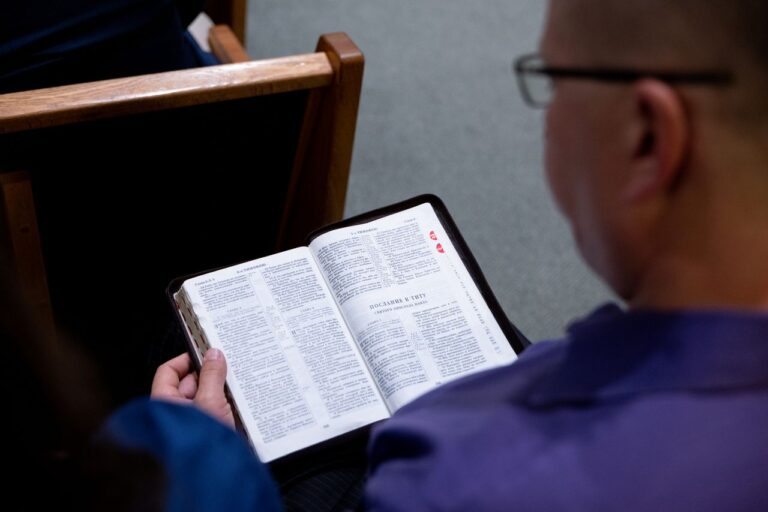


What If You Want to Believe in God Again, But Don’t Know How?
Maybe you remember a time when believing in God came naturally.
You prayed without overthinking every word. You read the Bible and felt comforted. When something went wrong, you believed God would help you find a way through it.
But somewhere along the way, something changed.
Perhaps you prayed for someone you loved, and they still suffered. Maybe you begged God to change your circumstances, but nothing improved. Or perhaps you started asking questions about Christianity that nobody around you could answer.
Little by little, your certainty disappeared.
Now, you find yourself caught between two feelings. Part of you wants to believe in God again, while another part struggles to understand how you can trust someone you cannot see.
You may even feel guilty for being in this position.
If this sounds familiar, there is something you should know: you do not have to force yourself to believe overnight.
Rebuilding your faith is not about pretending your questions never existed. It is about giving yourself the time and freedom to explore them honestly.
The Bible contains stories of people who struggled, questioned, grieved, and searched for understanding. Their experiences remind us that the journey of faith can include difficult seasons.
If you want to believe in God again, here are seven places to begin.
1. Go Back to the Moment Your Faith Began to Change
Before trying to rebuild your faith, ask yourself an important question.
What happened that made believing in God difficult for me?
Do not rush past this question. Your answer may reveal more than you expect.
Perhaps you lost someone you loved and could not understand why God allowed it to happen.
Maybe you prayed for years about a problem, only to watch it get worse.
Perhaps someone you trusted in your church hurt you. Or maybe you began studying religion, science, or philosophy and encountered questions that challenged what you had always believed.
These experiences are different, and they deserve different responses.
If your faith changed because of grief, you may need time to mourn rather than pressure yourself to find an immediate spiritual explanation.
If you were hurt by religious people, you may need to separate their behavior from the beliefs you once held.
If intellectual questions are troubling you, you may need reliable information and thoughtful discussion rather than another inspirational quote.
You cannot meaningfully address a wound you refuse to acknowledge.
Take a notebook and finish this sentence:
I started struggling to believe in God when…
Write whatever comes to mind. You do not need to make your answer sound religious, positive, or acceptable to anyone else.
The purpose is to understand yourself.
Sometimes, the first step toward finding faith again is understanding why you lost your confidence in the first place.
2. Stop Thinking You Must Have All the Answers Before You Can Begin Again
One reason people struggle to return to faith is that they believe every question must be resolved first.
They want to understand why suffering exists, why some prayers appear unanswered, why God seems silent, and how to reconcile difficult biblical passages.
These are serious questions. They deserve thoughtful consideration.
But you do not have to resolve every theological or philosophical problem before exploring Christianity again.
Think of it this way: learning to trust does not require you to understand everything about someone or everything that could happen in the future.
It requires you to examine what you have reason to believe and remain willing to learn.
The Bible itself contains examples of people wrestling with uncertainty.
In Mark 9:24, a father seeking help from Jesus says:
“Lord, I believe; help thou mine unbelief.”
His words are striking because he does not claim complete confidence. He acknowledges his struggle while still reaching out to Jesus.
You can approach your own questions with that same honesty.
You might begin by saying, “I am not sure what I believe anymore, but I want to understand.”
That is a more meaningful starting point than pretending to possess certainty you do not feel.
3. Get to Know Jesus Again Without Rushing Yourself
If you grew up Christian, your understanding of Jesus may come from years of sermons, church traditions, family expectations, and familiar Bible stories.
If you are trying to rediscover faith, consider returning to the source.
Read one of the Gospels, such as John or Luke, and pay attention to the person Jesus is presented as in the biblical text.
Notice how He treats people who are rejected by society. Consider His response to suffering, hypocrisy, pride, forgiveness, and compassion.
Read His teachings slowly. Ask questions about passages you do not understand. Explore the historical context when something seems confusing.
You do not have to rush through an entire Gospel in a few days.
Read a chapter or a short passage, then reflect on what you have learned.
Ask yourself:
- What does this passage tell me about Jesus?
- What surprises me about His words or actions?
- What questions does this story raise?
- What would I need to understand better before accepting this interpretation?
The goal is not to manufacture an emotional experience.
It is to give yourself an opportunity to examine the foundations of the faith you want to understand again.
You may rediscover things that once meant a great deal to you. You may also encounter passages that challenge you.
Both experiences can be part of an honest search.
4. Tell God the Truth, Even If You Are Angry With Him
Many people believe they must approach God with perfect words and a peaceful heart.
But what happens when you feel disappointed, abandoned, or angry?
What happens when you want to pray but cannot stop thinking about the things that went wrong?
You may feel tempted to hide those emotions because you believe that expressing them would be disrespectful.
Yet the book of Psalms contains prayers filled with anguish, confusion, and complaints.
In Psalm 13, David asks how long God will seem to forget him. The psalm begins with a painful question rather than a declaration of confidence.
This offers an important lesson about biblical prayer: people can bring their distress into their relationship with God instead of pretending it does not exist.
If you want to believe in God again, try being honest about what you feel.
You could pray:
“God, I do not understand what happened. I feel disappointed, and I do not know how to trust You the way I once did. If I am going to believe again, I need to work through these questions honestly.”
You do not need to force yourself to feel comforted afterward.
For now, simply acknowledge what is happening inside you.
If prayer feels impossible, you can begin by reading a psalm or writing down what you wish you could say.
You do not have to pretend your relationship with faith is uncomplicated.
5. Investigate Your Questions Instead of Running Away From Them
Sometimes, losing faith is not primarily an emotional experience. It is an intellectual one.
You may have encountered arguments about God’s existence, the problem of evil, the historical reliability of the Bible, or apparent contradictions in Scripture.
You may have asked questions and received answers that felt incomplete.
If this is what happened, telling yourself to pray harder may not address the real issue.
Give yourself permission to investigate.
Write down your most important questions and explore them individually. Read thoughtful arguments from Christian scholars as well as serious critics of Christianity.
When examining a claim, consider the quality of the evidence, the historical context, and whether the person presenting the argument is representing opposing views fairly.
You do not need to accept an argument simply because it supports what you already believe. Nor do you need to reject Christianity simply because one difficult question remains unanswered.
Intellectual honesty means being willing to examine your assumptions in both directions.
If you are unsure where to start, choose the question that has affected your faith most deeply.
Explore that question before moving to the next one.
A more informed understanding of your beliefs is more valuable than repeating words you no longer understand.
6. Stop Expecting Your Old Faith to Return in Exactly the Same Form
Perhaps you want to believe in God the way you did when you were younger.
You remember the certainty you once felt and wish you could return to that simpler time.
But your life has changed. You have experienced things you did not understand before. You may have encountered new ideas, suffered losses, or developed a different understanding of the world.
It is possible that rebuilding your faith will not mean returning to your previous beliefs in precisely the same way.
Instead, it may involve developing a more thoughtful understanding of Christianity.
You may become more careful about interpreting Scripture. You may learn to distinguish biblical teachings from assumptions you inherited from other people. You may discover that some questions require humility rather than easy answers.
That process can be uncomfortable.
But if you choose to pursue faith again, you do not have to measure your progress by whether you feel exactly as you did years ago.
Give yourself permission to grow.
Faith, if it becomes part of your life again, can develop through learning, reflection, experience, and honest engagement with difficult questions.
7. Take One Small Step Toward Faith Today
When you want to believe in God again, the size of the journey can feel overwhelming.
You may imagine that you need to start attending church every Sunday, read the entire Bible, pray every morning, and resolve years of questions immediately.
That kind of pressure can make it even harder to begin.
Instead, choose one small action that feels honest and manageable.
Here is a simple seven-day starting plan.
Day 1: Write down what caused you to question your faith.
Day 2: Read Mark 9:14–29, paying attention to the father’s struggle with belief.
Day 3: Read Psalm 13 and reflect on how David expresses his distress.
Day 4: Read a short passage from the Gospel of John and write down what you learn about Jesus.
Day 5: Choose one question about Christianity and begin investigating it using reliable sources.
Day 6: Speak with someone thoughtful and trustworthy about your questions, if you feel comfortable doing so.
Day 7: Reflect on what you have learned, what remains difficult, and what you want to explore next.
This is not a test of your faith, and completing the plan does not guarantee that your doubts will disappear.
It is simply a way to begin exploring again without demanding immediate certainty.
You can move slowly. You can pause when you need to. You can ask questions along the way.
The important thing is to approach your search honestly.
A Prayer for Someone Who Wants to Believe in God Again
If you want to pray but do not know what to say, you can use these words as a starting point.
Heavenly Father,
I do not know exactly where I stand with You anymore.
There was a time when believing felt easier, but something has changed. I have questions, disappointments, and experiences I do not know how to understand.
Part of me wants to believe in You again, but another part is afraid of trusting and being disappointed.
Please help me seek truth honestly. Give me the wisdom to understand what I can, the courage to face difficult questions, and the patience to accept that some answers may take time.
Help me distinguish what I truly believe from what I have simply accepted without understanding.
If I have been carrying pain, help me find healthy ways to work through it. Guide me toward people who listen with compassion and think with wisdom.
I do not want to pretend that I have certainty I do not possess. I want to understand what is true and find my way forward.
In Jesus’ name, Amen.
Frequently Asked Questions
Can you believe in God again after losing your faith?
Yes, some people who have lost or questioned their faith later return to religious belief. Others develop a different understanding of spirituality or Christianity. There is no single path or timeline. Honest reflection, study, supportive conversations, and time can help you understand what you believe.
How do I reconnect with God after a long time away?
You can begin with small steps, such as reading a Gospel, reflecting on a Psalm, writing down your questions, or trying a short, honest prayer. You do not need to resume every religious habit immediately. Focus on understanding your beliefs and taking manageable steps.
What Bible verse can help me believe in God again?
Mark 9:24 is a useful passage to reflect on because the father openly acknowledges both belief and unbelief. Psalm 13 can also help you explore feelings of distance from God, while John 20:24–29 describes Thomas’s struggle to believe in the resurrection.
What if I want to believe in God but cannot?
Wanting to believe and finding belief difficult can be a painful experience. Rather than forcing yourself to claim certainty, explore what is making belief difficult. Your questions may be emotional, intellectual, or connected to painful experiences. Consider addressing them individually and seeking thoughtful guidance when needed.
Is it a sin to question God?
The Bible contains many examples of people asking difficult questions, expressing grief, and seeking understanding. Sincere questioning is not automatically the same as rejecting God. You can study Scripture, examine your concerns, and seek wise guidance as you work through your beliefs.
You Can Begin Again Without Pretending
If you have reached this point because you genuinely want to believe in God again, perhaps you have been carrying this struggle for longer than anyone realizes.
You may feel embarrassed to admit that your faith has changed. You may worry that you have gone too far away to return. Or you may simply be tired of not knowing what you believe.
You do not have to resolve your entire spiritual life in one afternoon.
Start by acknowledging what happened. Give yourself permission to ask questions. Explore the life and teachings of Jesus. Examine the reasons you stopped believing, and seek answers with an open mind.
You may find that some of your old beliefs become meaningful again. You may discover new questions that require further thought. You may need time to understand what faith means to you now.
That is a process you can approach one step at a time.
The story of Thomas in John 20 reminds us that the biblical account of faith includes a disciple who struggled to believe the testimony of others. His questions became part of the story rather than being erased from it.
If you are searching today, let your search be honest.
Do not force yourself to pretend. Do not give up on understanding simply because the answers are difficult. And do not assume that one painful chapter must define the rest of your life.
You do not have to pretend you never lost your faith to explore the possibility of finding it again. Begin with the truth about where you are, and take the next step from there.
Read More:
Powerful Ways to Overcome Faith Doubt
How to Trust God When Nothing Makes Sense: An Essential Guide